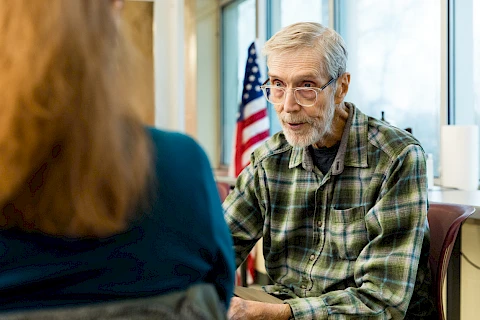
Many veterans and their spouses spend years unaware of what their VA benefits might actually cover for daily in-home care for veterans. If your loved one served in the military, it's important to understand the available support options before a health crisis arises. Senior Helpers knows that what you're eligible for may vary based on service history and disability rating, and a little research can reveal valuable resources.
What the VA May Cover for In-Home Care
The Veterans Affairs office has several programs that can help veterans receive care in their own homes rather than moving to a facility. Some of these options include:
- Homemaker and Home Health Aide Program: Covers essential daily personal care assistance, including bathing, dressing, and meal preparation.
- Program of Comprehensive Assistance for Family Caregivers (PCAFC): Provides monthly stipends, training, and support services specifically for family members serving as primary caregivers for eligible veterans.
- Aid and Attendance Pension Benefits: Supplement monthly pension income to help cover the ongoing costs of independent, in-home care for veterans requiring daily living assistance.
The VA's official caregiver support page is the best place to learn what a veteran may qualify for. Eligibility varies based on discharge status, service-connected disabilities, and income. For the most accurate information, use the VA's updated resources.
Home Modifications and Adaptive Equipment
Beyond personal care, some veterans may qualify for VA grants to fund home modifications. The Specially Adapted Housing (SAH) grant and the Special Home Adaptation (SHA) grant help veterans with specific service-connected disabilities make structural changes that allow them to live more independently. Ramps, widened doorways, and modified bathrooms are common examples. Eligibility for these grants is tied to particular disability categories, so checking with a VA representative directly is the right step.
Even veterans who don't qualify for major grants may be able to receive adaptive equipment, such as grab bars, shower chairs, or specialized medical devices, through their VA healthcare enrollment.
Getting the Right Information and Having the Conversation
Navigating veterans' benefits successfully requires gathering the correct documentation, utilizing free local advocacy groups, and communicating thoughtfully with your veteran:
- Gather Essential Records Early: Collect your veteran's DD Form 214 discharge papers, existing VA disability rating letters, and current healthcare provider records before contacting agencies.
- Partner with a Veterans Service Organization: Utilize free claims assistance from local VSO chapters to translate complex support policies, such as those offered by the DAV, American Legion, or VFW.
- Contact the VA Caregiver Support Line: Call the toll-free caregiver support line for direct guidance and navigation tailored specifically for family caregivers.
- Frame Care as an Earned Right: Encourage open communication by reminding reluctant veterans that these programs are hard-earned rewards for their service rather than charitable assistance.
Supporting In-Home Care for Veterans in Central Queens
The path through VA benefits can feel winding. Senior Helpers of Central Queens is here to help veteran families in Forest Hills, Rosedale, Floral Park, Far Rockaway, and nearby communities navigate their options and access the care they deserve. Contact us to start the conversation.