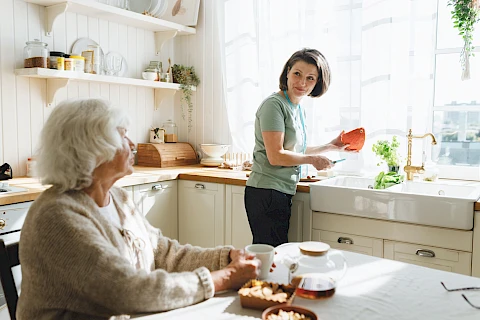
Day-to-day life can become more challenging as we get older. Simple tasks that were once easy might now require more effort. In-home care can offer a helping hand, letting older adults maintain independence while ensuring safety and well-being. For families, recognizing the need for home health support early can make all the difference in your loved one's quality of life. Senior Helpers discusses five signs that may indicate it's time for in-home care.
1. Difficulty With Daily Tasks
Many over 55 struggle with daily tasks as they age. Cooking, cleaning, and personal hygiene can become challenging. You might notice a loved one having difficulty with housework or skipping meals due to cooking challenges. Private duty care can help.
Family caretakers can assist with meal preparation, ensuring your loved one receives nutritious food. They can also help with cleaning and personal hygiene, allowing elderly retirees to remain safe and comfortable at home.
2. Safety Concerns
The feeling of security is crucial for those in their golden years. If your loved one has frequent falls or struggles at home, it may be time for in-home care. Look for unexplained bruises or hesitations in movement.
Home healthcare professionals can create a safer living environment by ensuring clear walkways, assisting with mobility, and providing supervision to prevent accidents.
3. Caregiver Burnout
Caring for a loved one can be rewarding, but it can also lead to caregiver burnout. Symptoms include feeling exhausted, overwhelmed, and irritable. Keep in mind that burnout doesn't just affect the family carer. It also impacts the senior receiving care. When a caretaker is exhausted, the level of care can suffer.
Deciding it's time for in-home care gives respite that primary family guardians need to recharge, knowing their loved one is safe and supported.
4. Social Isolation
Loneliness and social isolation can significantly impact the mental and emotional health of an older adult. Many of them find it difficult to keep social connections, leading to feelings of loneliness and depression.
Private duty care can provide much-needed companionship. Caregivers engage in friendly conversation, offer emotional reinforcement, and help them stay connected with the world around them.
5. Decline in Health or Mobility
It can be difficult for loved ones to manage everyday life as their health declines. Signs of declining health might include unexplained weight loss, changes in hygiene, or the development of new medical conditions. Mobility issues, such as trouble standing or walking, are also common.
Professional care providers can assist with mobility, ensure proper medication management, and coordinate with healthcare providers to address any medical concerns.
Time for In-Home Care? We're Here for You!
We provide comprehensive, home-based care services customized to meet the individual needs of our community's seniors and their families. If you live in the Arvene, Bellerose, or Breezy Point areas, don't hesitate to contact us anytime at Senior Helpers Central Queens. Acknowledging the need for extra help is the first step toward maintaining independence and quality of life. We are here to help you explore personalized home health support solutions and see how we can make a difference in your loved one's life.