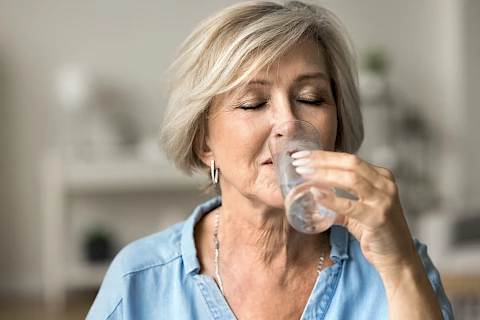
Albuquerque summers are not subtle. The heat climbs fast, the sun is intense at this altitude, and a morning that feels manageable can turn genuinely dangerous by midday. If you're caring for a senior loved one, knowing the early signs of overheating and having a plan before they're needed are some of the most practical things you can do this season.
Why Heat Hits Harder As We Age
The body's ability to regulate temperature changes with age. Older adults sweat less efficiently, which reduces the natural cooling mechanism the body relies on. Some medications common among seniors, including certain blood pressure drugs, diuretics, and antihistamines, can further affect how the body handles heat. Reduced thirst sensation also makes it easier to slip into dehydration, and now you have a combination that deserves genuine attention.
According to the CDC, adults over 65 are among the groups most vulnerable to heat-related illness. In a city like Albuquerque, where temperatures regularly exceed 95°F in June and July, that risk is a daily reality for many families.
Early Signs That Your Loved One Is Overheating
Catching heat stress early is much easier than managing heat exhaustion. Watch for the following:
- Flushed or unusually red skin without the presence of normal sweating.
- Fatigue or unusual tiredness in the mid-morning or afternoon that doesn't match their typical energy pattern.
- Muscle cramps, particularly in the legs or abdomen, can signal early dehydration.
- Dizziness or lightheadedness when standing up or after being outside
- Headache combined with feeling unusually warm.
- Nausea or loss of appetite in the heat of the day.
- Confusion or unusual irritability, which in a senior can be an early indicator of heat-related stress on the body.
Heat exhaustion is a more urgent concern and includes heavy sweating, cold or pale skin, a rapid or weak pulse, and loss of consciousness. If you observe those signs, move your loved one to a cool area immediately, apply cool (not cold) cloths, and contact emergency services if symptoms don't improve quickly.
Simple Ways To Help Your Loved One Stay Cool
You don't need elaborate measures. Often, small, consistent habits make the biggest difference.
Keep indoor spaces cool. Air conditioning is the most reliable protection. If your home doesn't have central air, a window unit in the bedroom and one in the main living area goes a long way. Keep blinds or curtains closed on south- and west-facing windows during peak afternoon hours.
Offer fluids before thirst sets in. Many seniors don't feel thirsty even when they're becoming dehydrated. Offering water, diluted juice, or a light electrolyte drink with meals and snacks is a low-effort habit that pays off. Avoid pushing sugary drinks or caffeine in the afternoon heat.
Shift outdoor activities to the early morning. In Albuquerque, the air is significantly cooler before 9 a.m. A short walk, some relaxing time in the garden, or a trip to the market in the early morning is far safer than the same outing at noon.
Check in more often on very hot days. A brief phone call or visit during a heat advisory is a small effort with a meaningful impact. Your loved one may not volunteer that they're feeling off, but a direct question often surfaces what a casual conversation wouldn't.
When Extra Support Makes the Summer More Manageable
Staying cool and hydrated is easier when someone is there to assist. Senior Helpers Albuquerque provides in-home care that includes companionship, meal preparation, and help with daily routines, which matters even more during the hottest months. If you're concerned about how your senior loved one is managing the Albuquerque summer, contact us, and let’s discuss how we can help.