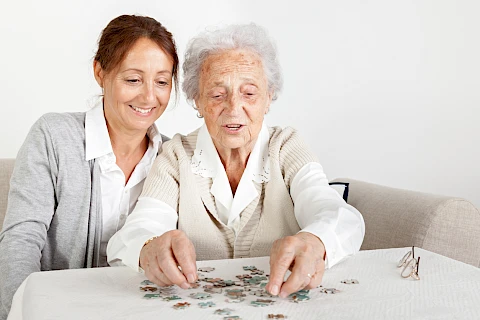
If you've started looking into care options for yourself or a parent, you've probably run into a wall of terms that all sound similar. Home care, personal care, skilled nursing, and companion care for seniors. Senior Helpers explains how they are not interchangeable and that understanding the differences matters before you commit to anything.
What Companion Care Actually Means
Focusing on connection and daily support rather than medical treatment, a family carer can help with many things. It can include meal preparation, running errands around Nob Hill, driving you to appointments in Downtown Albuquerque, or simply sitting and talking over coffee. It's distinct from skilled nursing, which includes medical tasks by licensed professionals, and personal care, which emphasizes bathing and dressing. Assisting with care and social connection sits in its own category, built around presence, conversation, and help with the small logistics of daily life.
Why Social Contact Belongs in a Care Plan
It's easy to think of care planning purely in terms of physical needs like mobility or medication reminders. But isolation carries real health risks of its own. Research from the National Institute on Aging links social isolation to higher rates of depression, cognitive decline, and even heart disease. Having personal home support who visits regularly does more than fill time on a calendar. They provide a level of social contact that has a measurable effect on well-being. The National Institute on Aging offers a good overview of why this matters and what the research shows.
Getting Out Into the Community
One of the most practical parts of companion care for seniors is transportation. A ride to a doctor’s appointment, the farmers market, or a museum keeps elderly loved ones connected to the outside world. Many stop driving too soon, so personal interactions can help them maintain independence and stay active, making outings easier and less overwhelming.
Building a Routine Around Connection
Consistency is crucial, especially for those in their golden years in need of companion care. Regular visits become part of their routine. Doing so provides mood support and structure, which is essential for those who have recently retired, lost a spouse, or moved to a new place. These individuals are often rebuilding their social networks.
A good personal care aide focuses on individual interests rather than generic activities. For instance, a gardening enthusiast may welcome help with a small backyard, while a former teacher might enjoy discussing current events or visiting a bookstore. Tailoring the carer's approach to the person's hobbies makes the relationship feel genuine rather than transactional.
Finding the Right Fit for Your Family
Choosing the right personal care support isn't about admitting you can't manage on your own. It's about recognizing that regular company and support with daily tasks make life fuller and safer, not smaller. Our team at Senior Helpers Albuquerque can guide you through daily companion care and help you decide if it’s the right fit for you. Contact us to start the conversation.