A veteran's service is one of the most defining chapters of a life, yet those stories often go untold. A grandfather who keeps his medals in a drawer and rarely mentions the war. A grandmother who served as a nurse but never described what she witnessed. The years pass, and what was lived quietly begins to fade. Military Appreciation Month is a good time to consider how you, as a caregiver or family member, can engage in elderly military legacy work to help preserve it before more slips away.
Starting the Conversation
Some vets find it easy to share their service experiences, while others may feel they are too private. Instead of focusing on dramatic stories, ask about everyday life: where they were stationed, the food, friends, and activities on base. These details can lead to deeper conversations.
Looking at old photographs or uniforms together can trigger memories. The Veterans History Project at the Library of Congress accepts interviews, memoirs, and photographs, allowing you to contribute to a permanent historical record of your loved one's story.
Organizing Memorabilia and Creating a Living Record
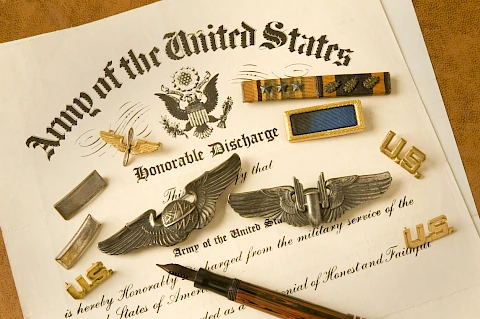
Part of the elderly military legacy work is indexing the records generated by military service. These can be discharge papers, medals, ribbons, insignia, photographs, and letters. For many, these items are often tucked into shoeboxes or aging albums, vulnerable to loss or deterioration. Here's how to get things sorted:
- Collaborate and label: Sit down together to label photographs with names, dates, and locations. At the same time, your veteran can still share the stories behind them.
- Digitize fragile items: Take delicate documents and old photos to a local print shop for high-resolution scanning to prevent permanent loss.
- Use proper storage: Protect original paper items from light and moisture by transferring them into archival-quality boxes and protective sleeves.
- Create a memory book: Assemble a simple booklet with printed photos and brief captions so the whole family can easily enjoy and treasure these gathered memories.
Connecting With Military History and Community
Ex-military members often find meaning in connecting with others who understand their service. Many local American Legion posts and VFW chapters host regular gatherings that foster genuine camaraderie through shared experiences. For veterans who are less mobile, many of these organizations have members who make home visits.
If your loved one served during a specific conflict, period-specific reunions and commemorative events may be available. State and national archives sometimes hold records that fill in details of a unit's history, which can be deeply meaningful for a former service member who wants to understand the larger picture of where they fit. The National Archives maintains military service records that family members can request.
The Therapeutic Value of Elderly Military Legacy Work
Research shows that sharing life stories, known as reminiscence therapy, enhances emotional well-being in older adults. For veterans, acknowledging and preserving their service helps address feelings of under-recognition for their sacrifices. The act of telling and keeping their story is significant.
A vet's story deserves to be heard and remembered. Senior Helpers of Albuquerque provides compassionate in-home care for former military members and their families in Albuquerque, with caregivers who understand the dignity every older adult deserves. Contact us to talk about how we can support your veteran loved one at home.