February is a time when hearts take center stage, not just for Valentine's Day, but because it's American Heart Month. Raising awareness about heart health is crucial, especially for those who have already experienced a cardiac event.
What Are the Risks of a Second Heart Attack?
While the first heart attack can be a surprise, a second one could occur if lifestyle changes aren't made. Your personal risk factors might include high blood pressure, high cholesterol, or diabetes. Speak with your healthcare provider to understand your unique risks and form a plan tailored to you.
Recognizing Heart Attack Symptoms
Common heart attack symptoms include chest pain, shortness of breath, nausea, and discomfort in other areas such as the arms, back, neck, or jaw. Be aware that the signs may be different the second time around. Seniors might experience milder symptoms but should act quickly if they recognize any warning signs.
If you suspect a heart attack, call emergency services without delay. Don't wait to see if the symptoms pass. You're better off waiting for an ambulance than having a friend or loved one drive you to the hospital.
Essential Supplies to Have at Home
Having the right supplies can make all the difference in an emergency. Start by maintaining a comprehensive list of your current medications, including dosages and any allergies you may have. This information should be easily accessible to you and emergency responders.
Keep your medical history in a readily available location. Post emergency contact information in visible spots throughout your home, such as on the refrigerator or near the telephone. Include your doctor's number, the phone numbers of nearby family members, and the phone numbers of trusted neighbors who can assist in an emergency.
Keep phones accessible and charged at all times. Invest in a medical alert system that lets you call for help with the push of a button, especially if you live alone or spend time alone during the day. There are also devices that can sense if you've taken a fall; they'll contact emergency services with or without your interaction.
Lifestyle Changes to Improve Heart Health
Just a few changes can dramatically impact cardiovascular health. Plan a diet rich in fruits, vegetables, whole grains, and lean proteins. Limit salt, sugar, and saturated fats.
Exercise is essential for a healthy heart, so try to get at least 30 minutes of moderate activity each day, such as walking. Managing stress also supports heart health. Try deep-breathing exercises, meditation, or gentle yoga. Always consult your healthcare provider before beginning any new diet or physical activity.
Regular Medical Visits
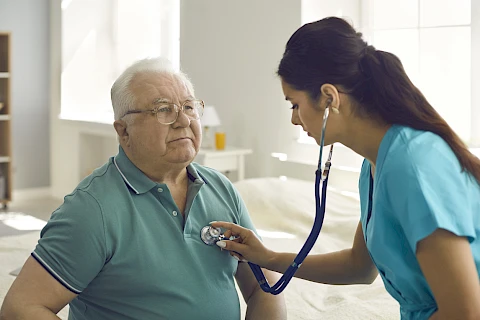
Regular wellness checks help monitor blood pressure, cholesterol, and other heart health indicators. They're an opportunity to adjust medications or treatment plans as needed. Don't skip any tests or screenings your doctor recommends.
Stay Heart Healthy With Senior Helpers
A solid plan can make a huge difference in preventing and managing a second heart attack. Start taking these steps today to secure a healthier tomorrow. Do you or a loved one need assistance with meal preparation, transportation, medication management, or day-to-day hygiene? For personalized senior support in the Bloomfield, Caldwell, Cedar Grove, Essex Fells, and Glen Ridge areas, contact us at Senior Helpers West Orange.