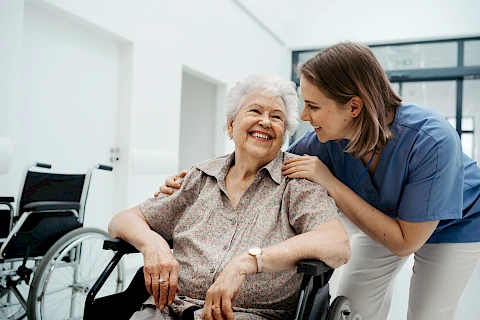
When our senior loved ones are recovering from a hospital stay, we often focus on their physical healing. However, their emotional wellness is just as significant. Emotional health can significantly impact their recovery journey. Our goal today is to help you understand how to protect the mental health of your elderly loved ones while they recover.
Recognizing Signs of Depression and Anxiety
Injuries or surgery can trigger depression and anxiety in older adults. It's essential to recognize common symptoms. They may exhibit signs such as persistent sadness, loss of interest in activities, changes in appetite or sleep patterns, and irritability. Anxiety may present itself through excessive worrying, restlessness, or physical symptoms like headaches.
Learn to differentiate between what might be typical emotions during recovery and signs of deeper mental health issues. Feeling a bit down or apprehensive is normal, but if these feelings persist or intensify, they may indicate depression or anxiety. By being vigilant, you can ensure timely intervention and support for your loved one.
Encouraging Emotional Expression
Open communication about feelings plays a primary role in supporting senior emotional wellness during recovery. Encouraging older adults to express their emotions can be incredibly healing. Create a safe space where they feel comfortable sharing their thoughts without fear of judgement.
You can create this welcoming environment by actively listening and validating their feelings. Encourage them with simple questions like, "How are you feeling today?" or "Is there anything on your mind?" Activities such as journaling, drawing, or engaging in conversations about fond memories can help them articulate their emotions.
Maintaining Social Connections
Spending time with others helps loved ones recover emotionally. Engaging with friends and family offers support and helps reduce the loneliness that often follows a hospital stay. Social contact is also instrumental in physical healing and longevity.
Help your loved one maintain these connections by arranging regular visits from family and friends. Encourage participation in community groups or social clubs that align with their interests, even if only occasionally. Technology can also bridge geographical gaps. Video calls, social media, and online communities are excellent tools for staying connected with loved ones from afar.
Knowing When to Seek Professional Support
Sometimes, the support of family and friends isn't enough. Recognize when professional help is needed. If your senior loved one's symptoms of depression or anxiety persist for weeks, it may be time to seek help. Symptoms that interfere with daily activities are a sign to consult a mental health professional.
There are various types available, including therapists, counselors, and psychiatrists. These specialists can offer therapies and medications tailored to their needs.
Need Help With Recovery? We're Post-Hospitalization Experts!
Prioritizing emotional wellness is essential for supporting senior emotional wellness during recovery. It can significantly influence overall well-being, just like physical health. When recognizing potential signs of depression and anxiety, encouraging emotional expression, maintaining social connections, and knowing when to seek professional help, you can support your senior loved ones on their path to recovery.
Remember, you are not alone. At Senior Helpers Somerset, we offer personalized support for seniors transitioning from hospital to home in Plainfield, Bridgewater, Edison, Basking Ridge, and Somerset. Together, we can make sure your loved one receives the comprehensive care they deserve. Contact us today to learn more about how we can assist you in ensuring both emotional and physical wellness during recovery.