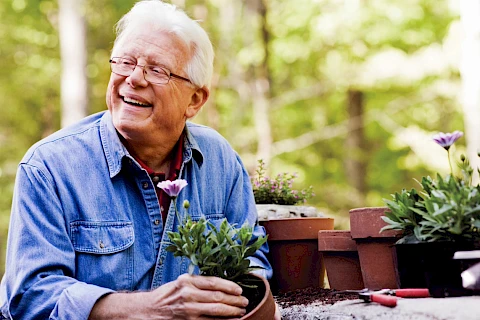
Gardening has a way of drawing people in, regardless of age. However, the way a senior engages with a garden often needs to shift as mobility, stamina, and joint comfort change. The good news is that well-designed senior-friendly gardens can remain a genuine source of pleasure and purpose for older adults without becoming a burden. What's more, creating one at home doesn’t require a large space or a significant budget.
Starting With the Right Setup
The single most impactful change for making senior-friendly gardens is raising the planting surface. Raised beds built to a comfortable working height, typically between 24 and 30 inches, eliminate the need to kneel or bend deeply. For seniors with arthritis, back pain, or balance concerns, the difference is significant. Even two or three raised beds in a yard, on a patio, or along a fence can provide more than enough space for a meaningful growing season.
In neighborhoods where outdoor space is limited, container gardens are an excellent alternative. Large pots, window boxes, and tiered planters can hold herbs, small vegetables, and flowering plants on a balcony or stoop. Containers can also be positioned at whatever height works best, and they tend to require less physical upkeep than in-ground gardens.
When making senior-friendly gardens, selecting what to plant is also essential. Start with varieties that are forgiving and rewarding. Herbs like basil, mint, and chives grow quickly and are immediately useful in the kitchen. Cherry tomatoes, lettuce, and marigolds are low-maintenance and produce satisfying results. Seniors who can step outside and pick something for dinner or cut flowers for the table have a reason to visit the garden every day.
Tools and Adaptations That Make Gardening Easier
Senior-friendly gardens also involve choosing the right tools that reduce effort and protect joints. Look for:
- Lightweight tools made from aluminum or carbon fiber rather than heavy steel
- Cushioned, ergonomic grips that reduce strain on hands and wrists
- Long-handled tools that minimize bending and reaching
- Kneelers with side handles for seniors who prefer ground-level work and need help getting up
A small wheeled cart or garden caddy to carry tools and supplies from one spot to another reduces unnecessary trips and weight-bearing. Drip irrigation or a lightweight hose with a trigger grip also makes watering less effortful and more consistent.
The National Gardening Association offers accessible guidance on adaptive gardening techniques, including ideas specifically suited to seniors with limited mobility.
Making It a Shared Activity
A garden that multiple generations tend together stops being just a senior's project and becomes a household one. Children and grandchildren who visit often engage enthusiastically when given a small plot or pot to call their own. Letting grandchildren plant a row of sunflowers or tend a strawberry container gives them a sense of responsibility and gives the senior someone to garden with.
That social dimension matters as much as any physical benefit. Gardening together creates easy, low-pressure time spent outdoors. It can also give everyone something to check on and talk about between visits.
Building Something That Everyone Can Enjoy
Making senior-friendly gardens doesn't have to be elaborate to be meaningful. A few pots of herbs, a raised bed of salad greens, or a pot of cherry tomatoes is often all you need to get started. Senior Helpers North Hudson supports families across Jersey City, West New York, North Bergen, and Hoboken with in-home care that helps seniors stay engaged, active, and connected to what brings them joy. Contact us to learn more about how we can support your loved one.