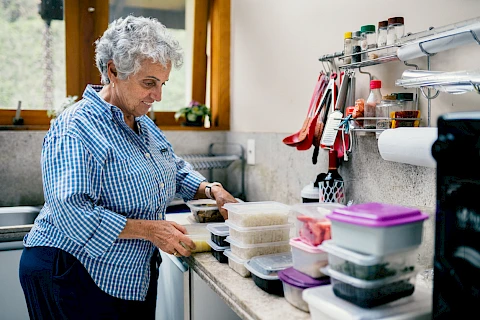
Ensuring food safety is crucial for seniors, especially when managing leftovers. For caregivers, understanding how to handle and store leftovers properly is essential. Leftovers are convenient, but they also present challenges. Improperly stored or reheated food can lead to foodborne illnesses, which can be particularly severe in seniors.
Senior Helpers North Hudson will provide clear directions for safely managing leftovers to protect the health of seniors.
The Risks
Seniors are more vulnerable to foodborne illnesses due to their weaker immune systems. As they age, their body's ability to fight off harmful bacteria diminishes. Common foodborne pathogens such as Salmonella, Listeria, and E. coli can have serious effects, leading to severe illness or even hospitalization. Recognizing these risks highlights the importance of food safety for seniors.
Safe Storage Practices
Proper storage of leftovers is the first step in ensuring food safety for seniors. Here are some guidelines:
- Refrigerate leftovers within two hours of cooking to prevent bacterial growth.
- Store leftovers in airtight containers to maintain freshness and prevent contamination.
- Label and date all leftovers to keep track of their shelf life.
For different types of food, recommended storage times vary:
- Cooked meats: 3-4 days
- Soups and stews: 3-4 days
- Cooked vegetables: 3-4 days
- Rice and pasta: 3-5 days
Identifying Signs of Spoilage
Knowing when food has spoiled is crucial. Spoiled food often shows clear signs, including:
- A sour or unpleasant smell
- A change in texture, such as becoming slimy or sticky
- Discoloration or mold growth
Always trust the senses. If in doubt, it is safer to discard the food.
Proper Reheating Techniques
When reheating leftovers, doing so safely is key to ensuring food safety for seniors. Proper reheating kills any bacteria that may have developed. Here's how to reheat leftovers effectively:
- Ensure food is heated to an internal temperature of at least 165°F. Using a food thermometer can help confirm this.
- When using a microwave, stir the food halfway through heating to ensure even warmth.
- In an oven, cover food with foil to keep it moist and heat it evenly.
Preventing Cross-Contamination
Cross-contamination is a common cause of foodborne illness. To prevent it, caregivers should keep the kitchen clean. Maintaining a clean kitchen environment helps reduce the risk of spreading harmful bacteria.
- Use separate cutting boards and utensils for raw and cooked foods
- Clean all surfaces and utensils with hot, soapy water after use
- Wash your hands thoroughly before and after handling food
We Can Help Seniors With Meal Planning and Preparation
Safe handling of leftovers is essential in senior care to prevent foodborne illnesses. By following the guidelines for storage, identifying spoilage, and reheating properly, caregivers can protect seniors from potential health risks and ensure food safety.
For those who require professional caregiving services, contact us at Senior Helpers North Hudson. We are dedicated to providing quality care for seniors in Jersey City, West New York, Union City, Weehawken, and Hoboken. Protect your loved ones by practicing safe food handling and storage every day.