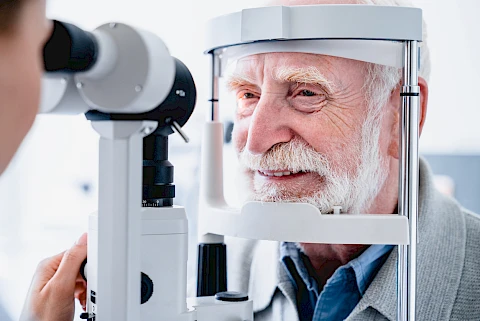
Senior eye health is a crucial aspect of our loved ones’ overall well-being. As they age, their eyes require more attention to maintain their function and health. National Eye Exam Month is an ideal opportunity to focus on this issue, especially for caregivers helping seniors get the eye care they need.
Age-Related Eye Conditions
Several eye conditions may arise as seniors age. Understanding these conditions helps caregivers recognize early signs and seek timely treatment.
Some of the most common ones include:
- Cataracts are cloudy areas in the lens of the eye that can lead to blurred vision and difficulty seeing at night.
- Glaucoma involves increased pressure in the eye, which can damage the optic nerve and lead to vision loss if left untreated.
- Macular degeneration affects the central part of the retina and can lead to loss of central vision, making tasks like reading and recognizing faces difficult.
- Diabetic retinopathy, caused by damage to the blood vessels in the retina due to diabetes, can progress to serious vision impairment or blindness.
Recognizing Signs of Vision Problems
Senior eye health involves being vigilant about changes in our loved ones’ vision. Common symptoms to look out for include blurred vision, difficulty reading, and trouble with depth perception. If a senior struggles to see, especially when reading or watching TV, it could be a sign of cataracts or other concerns. Holding books close or needing brighter light may also signal vision issues. If a senior misjudges distances, it could signal vision problems that interfere with daily activities such as walking or reaching for objects.
Behavioral changes can also signal issues with senior eye health. Watch for avoidance of activities seniors once enjoyed, such as reading or hobbies, and withdrawal from social engagements due to embarrassment or fear of falling.
Importance of Regular Eye Exams
Regular eye exams are essential in maintaining senior eye health. Experts recommend at least one comprehensive eye exam every year for those aged 65 and older. These exams can:
- Catch early signs of eye conditions before they progress
- Help manage ongoing conditions and prevent further vision loss
- Ensure eyeglass prescriptions are up-to-date
Adapting the Home Environment
Adapting the senior's home environment can significantly support vision and reduce the risk of accidents. Here are some tips to keep in mind:
- Improve lighting by ensuring that rooms and frequently used areas have ample lighting. Use soft nightlights in hallways and bathrooms.
- Reduce glare by using adjustable blinds or curtains to control bright outdoor light that may be harsh or uncomfortable.
- Keep home environments clutter-free to make navigation easier, and mark steps, edges, and flooring transitions to prevent trips and falls.
- Consider using assistive devices such as magnifying glasses for reading, large-print books, and talking clocks. These can make everyday tasks more manageable for seniors with vision loss.
Senior Helpers Can Help Seniors Maintain Good Eye Health
Monitoring and maintaining senior eye health is vital to our loved ones’ quality of life. Regular eye exams and attentive care can help manage and prevent vision-related conditions. As caregivers, staying informed and proactive about eye health ensures seniors continue to live vibrant, independent lives. Encourage regular eye exams and follow these steps for preventive care.
For assistance and support in Jersey City, West New York, Union City, Weehawken, and Hoboken, contact us at Senior Helpers North Hudson. Together, we can help keep seniors' vision clear and life bright.