Winter can be a challenging time for our senior loved ones. The cold season brings unique difficulties for seniors, from icy pathways to unpredictable power outages. As temperatures drop and weather conditions become harsh, winterproofing your senior loved one's home will ensure they remain safe and comfortable throughout the season.
Fall Prevention
The risk of falls increases significantly during winter, mainly due to slippery conditions outdoors and changes in indoor environments. To reduce those risks, ensure that you:
- Keep all pathways clear of snow and ice. Shovel walkways frequently and use salt or sand for better traction.
- Ensure seniors have proper footwear with a good grip. Encourage the use of mobility aids if needed.
- Indoors, keep walkways clear and ensure all areas are well-lit. This helps prevent accidental slips and trips, especially in commonly used spaces like hallways and bathrooms.
Heating Safety
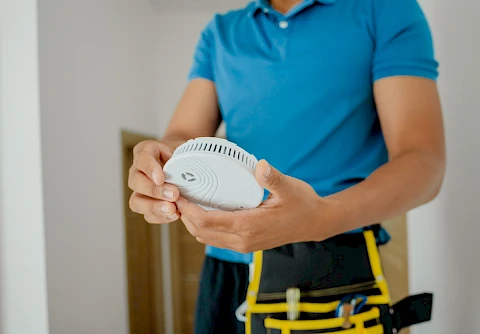
Position space heaters away from flammable materials and never leave them unattended. Regularly check and maintain heating systems to confirm they run efficiently and safely throughout the season. Install carbon monoxide detectors and check their batteries regularly. Working detectors are a critical safety feature during the winter months when heating systems are in constant use.
Emergency Preparedness
Winter weather can be unpredictable, and having an emergency plan can help avoid panic during storms and power outages. Stock up on essential supplies, such as non-perishable food, water, and a full supply of medications.
Ensure communication devices, like phones and backup chargers, are always charged and easily accessible. Inform seniors about what to do in unexpected situations, including who to contact and where to go if they need to leave their home.
Medication Storage in Cold Weather
Keep medications in a safe place where they won't freeze or overheat, avoiding areas prone to temperature fluctuations such as windowsills, garages, or unheated rooms. Extreme cold can alter their chemical composition and reduce their effectiveness. Consult a pharmacist for tailored advice on storing medications like insulin, liquid antibiotics, and other temperature-sensitive prescriptions.
Regular Safety Checks
Create a checklist for regular safety inspections, including checking smoke detectors, ensuring proper insulation, and assessing any potential hazards. These inspections should be conducted at least monthly, or more frequently during particularly harsh weather. Communicate regularly with your senior relative to discuss any changing needs or concerns. This helps to address issues promptly, before they become serious problems.
Room-by-Room Winterization Ideas
Each room requires special attention to ensure safety and comfort during the winter months. Small updates throughout the house can make winter living easier, warmer, and more secure.
- In the living room, arrange furniture to allow easy navigation and keep pathways clear to prevent tripping hazards.
- Regularly check kitchen appliances for proper function. Keep a fire extinguisher nearby and ensure your senior relative knows how to use it.
- Install grab bars in the bathroom and consider adding a shower chair or bath bench for added stability.
- In the bedroom, ensure essential items like phones, flashlights, and medications are within easy reach of the bed. Ensure there's adequate lighting for nighttime trips to the bathroom.
Keep Seniors Safe This Winter and Beyond with Tailored Care From Senior Helpers
Taking proactive steps to winterproof your senior loved one’s home can do wonders in keeping them comfortable throughout the colder months. If you’re considering in-home care for a senior relative in Vineland, Atlantic City, Absecon, Millville, or Egg Harbor Township, there is no better choice than Senior Helpers Jersey Shore. Reach out today to learn more about how we can help!