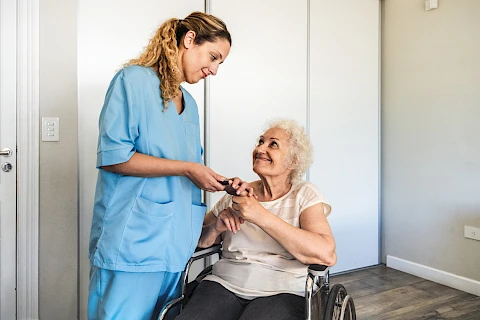
Recovering after a hospital stay can feel overwhelming for seniors and their families. The shift from structured medical care to managing recovery at home often brings new challenges, including medication changes, mobility limitations, and the need for ongoing support. Transitional care helps bridge this gap by providing focused, short-term services that promote safe, steady healing. With the proper guidance, seniors can regain confidence and return to their routines more smoothly.
What Transitional Care Really Means
Transitional care is a short-term service designed to support seniors as they move from the hospital back home. It focuses on helping older adults maintain recovery progress, follow medical instructions, and avoid complications that could lead to hospital readmission. This added layer of support ensures continuity at a time when seniors are most vulnerable.
Key Services Included in Transitional Care
Transitional care offers a variety of services tailored to the needs of recovering seniors.
- Medical management and medication reconciliation ensure that seniors take the correct medications at the right times, reducing the risk of errors.
- Physical and occupational therapy to help seniors regain strength and mobility, promoting independence.
- Personal care and daily living assistance provide support with activities like bathing, dressing, and meal preparation.
- Coordination with healthcare providers and family members ensures everyone is informed and working together to support the senior's recovery.
How Transitional Care Differs from Other Care Types
Transitional care is distinct from other forms of senior care. Unlike home care, which can be ongoing, transitional care is focused on short-term recovery. The goal is to help seniors stabilize their health and return to their regular routines. Long-term care, in contrast, generally assists those who have permanent disabilities or chronic illnesses requiring constant support. Transitional care, however, is primarily focused on aiding recovery and helping seniors avoid hospital readmissions.
Who Benefits Most from Transitional Care?
Seniors facing specific health challenges can benefit significantly from transitional care. Those with chronic illnesses or who have recently undergone surgery find it especially helpful, as it provides the necessary medical oversight and physical assistance. The structured support and medical monitoring provided through transitional care can significantly impact their recovery trajectory.
Families seeking support during the recovery phase can better manage their loved one's care with the additional resources transitional care offers. Rather than navigating the complex post-hospital period alone, they have access to professional guidance and coordinated services that address both medical and practical needs.
Caregivers also benefit by receiving guidance and a chance to rest, knowing that professional help is supporting their family member. The respite and professional assistance allow them to maintain their own well-being while ensuring their loved one receives quality care during this recovery period.
The Importance of Transitional Care for Families
Transitional care not only supports seniors but also alleviates stress for their family members. When families are confident that their loved ones are receiving proper care, they experience a sense of peace of mind. Additionally, transitional care facilitates effective communication between healthcare providers and families, ensuring everyone is aligned and working towards the common goal of recovery.
Helping Seniors Recover With Confidence
Transitional care is a fundamental part of recovery for seniors post-hospitalization. If you or a loved one needs assistance with post-hospital recovery, contact us at Senior Helpers Fairfield for personalized transitional care services in Wayne, Paterson, Sussex, Passaic County, and Ringwood. We're here to ensure a smooth and supportive transition from hospital to home.