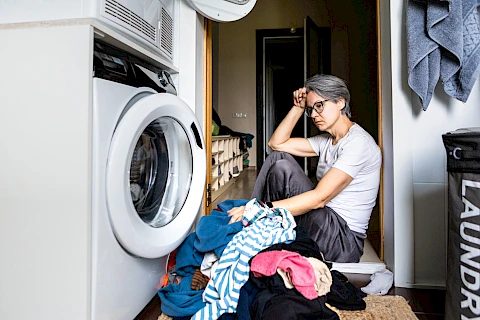
You set an alarm for your mother's evening pills, drive her to physical therapy twice a week, and handle the groceries on your lunch hour. Somewhere in there, your own doctor's appointment keeps getting pushed back.Senior Helpers understands that when a family caregiver needs a break, they can run this way for months before anyone, including themselves, notices how tired they have become.
Physical Signs Your Body Is Keeping Score
Caregiving often takes a heavy toll on your physical health long before you notice it. When your body is under constant stress, warning signs begin to surface in your daily routine and overall well-being. Recognizing these signals early is essential to protecting your health while caring for a loved one.
- Persistent fatigue: Waking up drained or struggling with insomnia.
- Physical pain: Experiencing body aches from physical assistance and tasks.
- Weakened immunity: Catching frequent colds or illnesses that linger.
- Neglected personal health: Skipping your own medical checkups, meals, and basic needs.
Sudden Emotional Changes
Caregiving can impact your emotions in subtle but powerful ways. If you notice these patterns for weeks at a time, it may be time to seek help:
- Irritability or snapping over small things
- Sudden resentment or guilt toward your loved one
- Feeling emotionally numb or persistently sad
- Becoming easily startled or anxious, such as when the phone rings
Acknowledging that a family caregiver needs a break is the first step when those feelings hang on for weeks, and a doctor or licensed counselor can help. If you ever feel overwhelmed to the point of crisis, you can call or text 988 at any hour.
Your World Has Shrunk Around Caregiving
Take a look at last month's calendar. Ask yourself: When was the last time you met a friend for coffee, cheered at your grandson's game, or enjoyed an evening just for yourself? It rarely happens all at once; friendships and activities fade gradually as your days fill with caregiving duties.
Soon, work starts to slip as well. You might notice you're late twice in one week, miss a deadline, and watch your vacation days meant for a trip disappear in specialists' waiting rooms instead.
What a Break Actually Looks Like
Respite means someone else steps in so you can rest. Options include in-home help, adult day programs, or short stays with care staff. Choosing the right type gets easier once you recognize a family caregiver needs a break. For more details, see the National Institute on Aging’s respite guide or try the ARCH National Respite Network locator.
A regular afternoon off (say, every Tuesday) gives you something to count on. Because the same caregiver keeps coming back, your loved one slowly gets used to a new face, without anyone rushing the introductions.
Support When a Family Caregiver Needs a Break
If you saw yourself in these signs, a professional from Senior Helpers Burlington, NJ, can step in for an afternoon or longer with companionship, meals, personal care, medication reminders, and rides to appointments. Our office covers Burlington, Riverton, Delran, Willingboro, and Bordentown. Contact us, and we will work out what kind of schedule would help most.