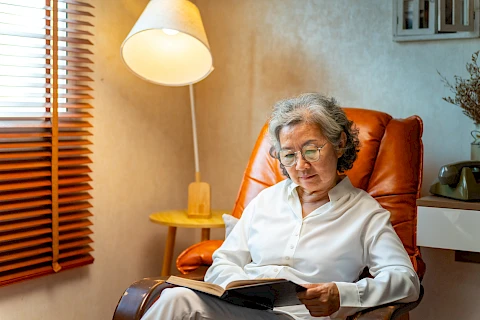
September includes National Eye Health Week, which is a good excuse to think about the eyes we usually take for granted. In your seventies and eighties, small daily habits matter more than a big yearly overhaul. Around Lincoln, the shift toward shorter days also means more reading under lamps and more evening TV. Now is a smart time to check what your eyes have been telling you.
Simple Exercises That Ease Eye Strain
None of these will fix cataracts or glaucoma, but they may ease the tired-eye feeling that comes from long reading sessions or hours at a screen. Try these exercises once or twice a day.
- The 20-20-20 rule. Every twenty minutes, look at something twenty feet away for twenty seconds. Kitchen windows in Denton and Hickman work perfectly.
- Palming. Rub your hands together to warm them, then rest your cupped palms lightly over closed eyes for a full minute. Breathe slowly.
- Focus shifts. Hold a finger six inches from your face. Focus on it, then on something across the room. Alternate for a minute.
- Slow blinks. Blink softly and deliberately ten times. It sounds silly but it helps a lot when eyes feel dry.
If you wear glasses, keep them on for these exercises. The point is comfort, not a test.
Lighting That Actually Helps
Most homes in the Lincoln area are under-lit for older eyes. Reading with a single overhead bulb strains the eye more than most people realize. Add a task lamp with an adjustable arm right beside your reading chair. Position it so light comes over your shoulder onto the page.
For the kitchen, under-cabinet strip lights make chopping and reading recipes far easier. For hallways to the bathroom, motion-activated night lights keep the walk safe without waking you up at all the way.
Screens matter too. Bump the font size up on your phone. Turn on a dark background if it's easier. There is no medal for squinting.
Habits That Support Eye Health
Diet and daylight both help. The American Academy of Ophthalmology recommends leafy greens, fatty fish, and citrus as friends to the eyes. Getting outside for a walk in the morning, even fifteen minutes, gives your eyes a full-spectrum reset. Here are a few more eye care tips:
- Wear UV-blocking sunglasses when you go outside year-round, not just in July.
- Keep hydrated. Dry eyes get worse when the body is dry.
- Do not skip annual eye exams. A dilated exam catches glaucoma and macular degeneration early.
- If you smoke, quitting protects the retina, too.
Signs Worth a Call to the Eye Doctor
Some changes are normal with age. Some are not. Sudden flashes of light. A shower of new floaters. A curtain across part of your vision. Any of these need a same-day call to an ophthalmologist, not a wait-and-see. Also worth mentioning: trouble seeing well enough to drive at night, or new difficulty reading medication labels. Both are fixable, and both matter for safety at home.
Everyday Support Across Lancaster County
Senior Helpers Lincoln supports clients across Lincoln, Denton, Roca, Hickman, Firth, Seward, and nearby areas. Our caregivers can drive to eye appointments, help set up better lighting at home, and gently keep track of when the next exam is due. Contact us and we'll walk through what would help.