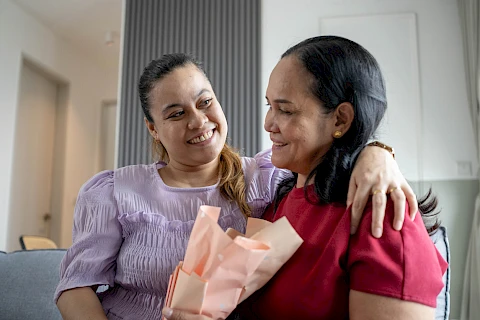
You’ve observed your dad hasn't mentioned a friend's name in weeks. Your mom stopped going to her Tuesday bridge game and won't say why. These small changes may point to growing social isolation. Recognizing them early creates an opportunity to start a caring conversation, encourage meaningful social interaction, and notice whether something more than loneliness may be affecting your loved one.
Signs Worth Watching For
Social isolation doesn't usually announce itself. Look for a loved one who stops answering calls promptly, cancels plans they once looked forward to, or seems less talkative during visits. Changes in personal grooming, a home that's less tidy than usual, or a noticeable decline in energy may also suggest they're spending too much time alone. While any one change may have another explanation, several changes happening together may signal it's time to check in and start a conversation.
Talk to Them Directly, Without Judgment
Once you notice the signs, the next step is a direct, gentle conversation. Ask specific questions rather than general ones. Instead of "Are you doing okay?" try "I noticed you haven't mentioned Carol lately; is everything alright between you two?" Specific questions tend to get more honest answers. Approach the conversation with curiosity rather than alarm, and give your loved one room to explain in their own words rather than filling the silence for them.
Some older adults feel embarrassed admitting they're lonely, so don't expect a full explanation on the first try. A short conversation now, followed by another in a week or two, often works better than one long, heavy talk.
Find Local Opportunities Together
Once you understand what's changed, look for activities that match your loved one's interests, personality, and energy level. Returning to a familiar hobby often feels more comfortable than trying something new. Lincoln, Waverly, Raymond, and nearby communities offer opportunities through senior centers, libraries, faith communities, volunteer organizations, and community events. If transportation is a challenge, ask whether family, friends, or local senior transportation services can help. Offer to attend the first activity with them, as a familiar face may make the experience feel less intimidating. If large groups aren't appealing, suggest smaller gatherings, hobby clubs, or one-on-one visits instead. The goal is to help them build community connections and meaningful relationships that fit naturally into their routine.
Watch for Signs Beyond Loneliness
Isolation can sometimes overlap with depression or other emotional health concerns, especially after a loss, a move, or a health scare. If your loved one shows ongoing sadness, appetite changes, or a loss of interest in nearly everything, it may be time to loop in their doctor. The National Institute of Mental Health offers guidance on recognizing when loneliness may require professional care.
You Don't Have to Do It Alone
Helping a loved one feel less isolated takes ongoing encouragement and regular opportunities to connect with family, friends, and the community. When work, caregiving responsibilities, or distance make that difficult, Senior Helpers Lincoln can help. Through Companion Care that gives older adults in Sprague, Martell, Wilber, Beatrice, and Bennet opportunities for conversation, shared activities, and meaningful social interaction, along with Personal Care when daily tasks make it harder to participate in the community, we help your loved ones stay socially engaged and connected. Contact us to learn how personalized in-home care may benefit your loved one.