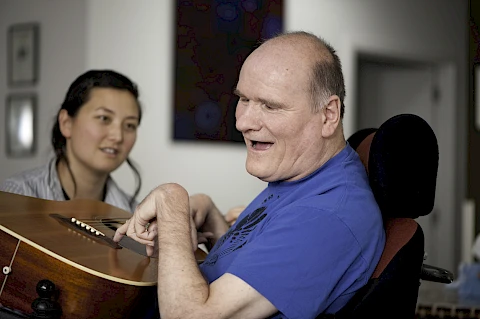
Living with Parkinson's disease (PD) is challenging for both older adults and their support networks. This neurological disorder affects movement, balance, and mood, making daily activities more difficult. While medical treatments are crucial, complementary remedies like music therapy can significantly improve quality of life. Music therapy for Parkinson's disease enhances well-being, making it a valuable tool for caregivers to uplift their loved ones' spirits and health.
The Science Behind Music Therapy for Parkinson's Disease
Music has a profound impact on the brain. Studies show that it can positively affect movement and mood in people with PD. Research shows that rhythm and melody can help manage Parkinson's symptoms by regulating motor function. Musical beats can improve gait, balance, and coordination. Therapeutic music engagement also reduces anxiety and depression while boosting cognitive function, providing both physical relief and emotional well-being.
Practical Ways to Incorporate Music at Home
Integrating music-assisted rehabilitation into daily life can be simple and fun. Here are some practical tips for care partners to help elderly individuals enjoy the benefits of music:
- Choose the Right Music: Selecting tunes that resonate personally with your loved one can increase engagement. Classical, jazz, or even favorite old-time songs can be effective options.
- Establish a Music Routine: Create a daily or weekly music schedule to ensure consistency. It can include listening to music during walks, meals, or relaxation time.
- Engage With Interactive Activities: Encourage those over 60 to participate in music-making by drumming, clapping, or singing along to their favorite songs. Such activities can stimulate both mind and body, offering holistic benefits.
Finding Rhythmic Auditory Stimulation
While at-home activities are beneficial, professional programs in music therapy for Parkinson's disease provide structured care. In Lincoln, you can find certified music therapists who customize sessions to individual needs. Local hospitals, rehabilitation centers, and senior living communities often offer therapeutic music engagement. Seeking professional guidance ensures the therapy is safe, effective, and tailored to maximize benefits.
Enhancing Quality of Life for Seniors and Caregivers
Support providers also benefit from music therapy for Parkinson's disease. Personal stories from family carers highlight the joy and connectedness music brings into their homes. By sharing musical experiences, the bond between elderly individuals and their assistants can grow stronger. It nurtures both individuals emotionally. For care partners, introducing sound-based intervention can be a meaningful way to engage with their loved ones. It offers support and comfort throughout their support journey.
Get Care From Senior Helpers Lincoln
Music therapy provides key benefits for individuals with Parkinson's disease by enhancing movement, mood, and overall quality of life. Both golden-agers and their support providers can benefit from the positive impact of music-based interventions when incorporated into daily routines. If you want to improve Parkinson's care in Lincoln, Seward, Pleasant Dale, and surrounding areas, contact Senior Helpers Lincoln. We offer personalized support and resources to help integrate music therapy into your caregiving experience.