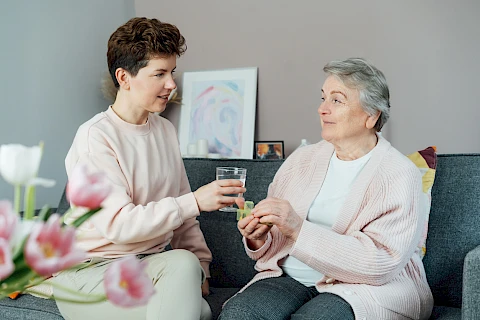
Spring is a beautiful time of year, but it can also pose challenges for managing seasonal allergies in seniors. As the flowers bloom and the weather warms, pollen and other allergens fill the air. These allergic triggers potentially lead to discomfort and health issues. For those over 60, managing these allergies is essential to maintaining overall health and comfort.
Recognizing Allergy Symptoms in Older Adults
Determining symptoms early is essential for managing seasonal allergies in seniors. Here are some things to look out for:
- Standard Indicators: Watch for classic signs such as sneezing, congestion, persistent coughing, and itchy or watery eyes.
- Atypical Manifestations: Elderly loved ones often experience allergies with systemic symptoms, such as increased fatigue or labored breathing, rather than just localized irritation.
- Increased Vulnerability: Underlying chronic conditions can make seasonal reactions more severe, requiring more vigilance from caregivers.
- Proactive Monitoring: Track any deviations from your loved one's health baseline during the spring to catch issues before they escalate.
Over-the-Counter Options and Medical Consultation
There are several over-the-counter (OTC) medications available that can help in managing seasonal allergies in seniors. Antihistamines, decongestants, and nasal sprays are commonly used options. However, not all medications are suitable for everyone, especially loved ones who may be taking other prescriptions.
Always consult with healthcare providers before starting any new medication. This is to avoid potential side effects or interactions with other medications that your family member may be taking. A doctor or pharmacist can recommend the best options based on the individual's health profile.
Environmental Modifications to Reduce Allergen Exposure
Making some environmental changes can greatly reduce the likelihood of allergy flare-ups. Here are a few strategies:
- Keep indoor air clean by using air purifiers and ensuring good ventilation. Regularly change the filters in air conditioning units and heaters.
- Limit outdoor activities on high pollen days. Encourage your family member to wear sunglasses and a hat to reduce pollen exposure.
- Clean the home regularly, focusing on areas where dust and pollen can accumulate. Wash bedding weekly and vacuum with a HEPA filter.
These modifications can significantly reduce your loved one's exposure to allergens and improve their comfort during allergy season.
Distinguishing Allergies from Other Health Concerns
Determine allergies from other health issues that may require medical attention. Symptoms such as chest pain, high fever, or severe breathing difficulties are not typical of allergies. A healthcare professional should evaluate them. If allergy medications aren't helping and symptoms persist, it might indicate another underlying condition. Regular health check-ups can also help identify and manage other potential health issues.
Ensuring Comfort and Care for Elderly Retirees This Season
Managing seasonal allergies in seniors can be easier by following our quick guide. As caregivers, staying vigilant and proactive is necessary to ensure your loved one remains healthy and comfortable throughout the spring. Don't hesitate to contact Senior Helpers Lincoln for professional in-home care assistance in Lincoln and surrounding communities, including Denton, Roca, Hickman, and more. We're here to support you every step of the way.