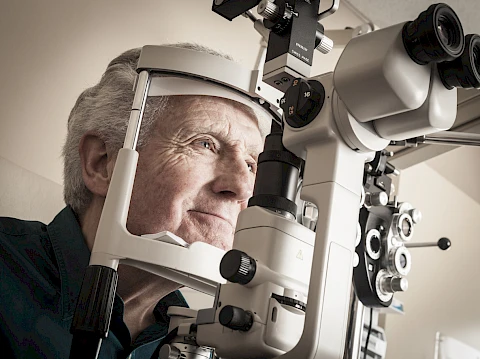
Taking care of our eyes is essential, especially as we age, when eye health problems become more likely. For those over 55, maintaining good eye health can significantly improve their quality of life. Caregivers play a vital role in supporting eye care for seniors. As a family carer, learning what to do before, during, and after eye care appointments can make the process smoother.
Preparing for the Appointment
Before a routine eye visit, gather necessary documents, including previous eye prescriptions and medical records. List current medications and supplements the elderly retiree is taking. Note any vision changes or symptoms, like blurry vision or headaches, to discuss with the doctor.
Questions to Ask the Eye Care Professional
Preparing specific questions ensures you understand the diagnosis and the best ways to support the vision of those over 55. Here are some things you can ask:
- Can you explain the diagnosis and all available treatment options?
- How is age specifically impacting their eyesight right now?
- What lifestyle changes or assistive devices would make their daily activities easier?
Clear communication with the doctor helps simplify daily management and improve long-term eye care for seniors.
Common Age-Related Eye Conditions
Recognizing the symptoms of common vision issues is vital for early intervention and improved long-term outcomes for seniors. Regular screenings are crucial since many issues develop gradually without clear early signs.
- Cataracts are a condition that causes cloudy vision and glare. Yet it can be effectively treated with surgery to restore clarity and improve daily functioning.
- Glaucoma is caused by high internal eye pressure. It is a "silent" condition that requires regular screenings and can be managed with medication or surgery to prevent permanent vision loss.
- Macular degeneration affects the central retina, making it difficult to recognize faces or read. Early detection is critical to slowing its progression.
- Diabetic retinopathy is a complication of diabetes that damages retinal blood vessels. This requires consistent blood sugar management and monitoring to prevent severe damage.
Attending the Appointment
Effective communication with healthcare providers is crucial during appointments. Encourage the senior to express concerns and ask questions. Ensure they feel comfortable and heard. Take notes and seek clarification when needed to understand the eye care plan.
Follow-Up Care and Monitoring
After the appointment, it's essential to organize follow-up eye care for seniors. Schedule regular eye exams as recommended by the doctor. Implement any prescribed changes at home, such as using eye drops or wearing specific eyewear. Monitor the elderly individual for changes in vision or symptoms to prevent issues from escalating.
Get More Help With Eye Care for Seniors
Caregivers have a crucial role in supporting elderly eye health. By following our suggestions, primary family carers can make a significant difference. Prioritizing eye health helps maintain the independence and quality of life for loved ones. For households seeking further support, Senior Helpers Lincoln is here to help. Contact us for expert care assistance in Lincoln, Denton, Roca, Hickman, and Firth.