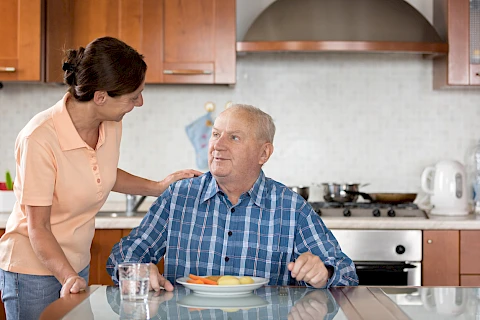
As we grow older, our bodies undergo changes that can affect how we tolerate certain foods. That's why ensuring senior food safety is even more crucial for them than for younger individuals. Proper food handling and preparation can differentiate between a healthy meal and a potential health hazard.
Senior Food Safety Needs
Older adults are more vulnerable to foodborne illnesses due to weakened immune systems and chronic health conditions like diabetes and heart disease. Having a reduced sense of taste or smell can also hinder their ability to detect spoiled food. Learning about these risks is crucial for preventing food-related issues while doing meal planning and preparation.
Proper Food Storage
Storing food correctly can prevent spoilage and contamination. Here are a few guidelines:
- Refrigerate leftovers and perishables promptly. Keep the fridge temperature at 40°F or below.
- Use airtight containers to store food and prevent cross-contamination.
- Organize the pantry to keep older items at the front and avoid spoilage.
- Check expiration dates regularly and use or discard items accordingly.
These simple solutions can go a long way to ensure food is safe for loved ones.
Safe Cooking Temperatures
Cooking food to the right temperature kills harmful bacteria. Different foods have different safe temperatures. Poultry should reach 165°F, while beef, pork, and lamb should be cooked to at least 145°F. Ground meats need to hit 160°F. Use a food thermometer to ensure accuracy. Avoid cross-contamination by using separate cutting boards for meats and vegetables and washing hands and utensils after handling raw foods.
Recognizing Spoiled Food
Identifying spoiled food is crucial for preventing illness. Look for foul odors, discoloration, mold, or a slimy texture. If unsure, remember, "When in doubt, throw it out." Educate older adults about these signs to help reduce their risk of foodborne illnesses.
Safe Grocery Shopping Tips
Selecting fresh ingredients is the foundation of a safe meal. When shopping, choose fresh produce free from cuts or bruises. Meat packages should be sealed without tears. Check expiration dates to ensure freshness. Be organized in your shopping to minimize the time perishables spend out of refrigeration.
Meal Preparation for Older Adults
When preparing meals, aim for simplicity and safety. Simple recipes reduce the risk of errors and are easier for those in their golden years to digest. Nutritionally balanced meals should include proteins, whole grains, fruits, and vegetables. Involving them in meal prep can be a great way to engage them, but be sure tasks are safe and manageable.
Get Help With Meal Planning and Prep for Loved Ones
Prioritizing senior food safety is essential for elderly fitness and well-being. Whether you are organizing the pantry, cooking, or shopping, these practices help protect against foodborne illnesses. Always remember to handle food with care and keep your loved ones safe. If you feel overwhelmed or need support taking care of a loved one, including meal planning, prep, and hygiene, contact Senior Helpers Lincoln for professional caregiving assistance in Lincoln, Denton, Hickman, Beatrice, and Waverly.