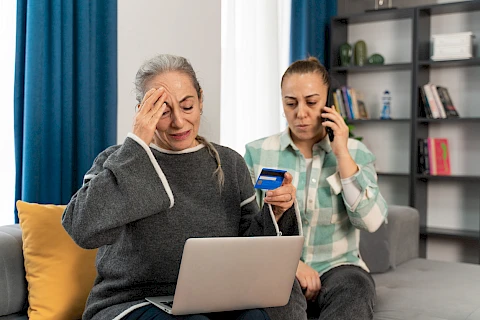
International Senior Fraud Awareness Day on May 15th highlights the need for vigilance against scams targeting seniors. As deceptive tactics become more widespread, elderly individuals must learn to recognize these scams. Additionally, their families, friends, and caregivers should be informed on how to avoid them.
1. Medicare and Health Insurance Fraud
Scammers often impersonate Medicare representatives to collect personal information by claiming they must verify your account or new card details. They may ask for your Medicare number or banking information. Remember, Medicare will not call unexpectedly to request personal information. If you're unsure about a call's legitimacy, hang up and call Medicare directly.
2. Telemarketing and Phone Cons
Fraudsters frequently engage in scams targeting seniors. Most of them assert that they have won a prize, owe taxes, or are facing a family emergency that demands immediate funds. Protect yourself by never sharing personal or financial information over the phone. If a caller pressures you, hang up and verify with a trusted source before taking any action.
3. Internet and Email Phishing
Swindlers use emails and fake websites to steal sensitive information. Be cautious of emails requesting personal details or directing you to questionable websites. Look for poor grammar, incorrect logos, and suspicious URLs. Avoid clicking links or downloading attachments from unknown sources. Use antivirus software along with strong, unique passwords for your accounts.
4. Sweepstakes and Lottery Frauds
If you receive a call or letter claiming you've won a sweepstake or lottery you didn't enter, it's likely a ruse. Crooks might ask for upfront fees to release your supposed winnings. Legitimate lotteries don't demand payment to collect prizes. Always verify such claims independently, and never pay money to claim a prize.
5. Emergency Ploy Targeting Grandparents
Tricksters impersonate distressed grandchildren, pleading for urgent money and asking for secrecy. If you receive such a call, pause and verify the caller's identity by asking questions only your real grandchild could answer or by calling them or their parents directly on known numbers.
6. Fraudulent Investment and Financial Schemes
Be cautious of promises to double your money with investment opportunities that seem too good to be true. These charlatans often target older adults with unrealistic returns. Always research investments thoroughly and consult a trusted financial advisor. Verify companies' credentials with regulatory bodies like the Securities and Exchange Commission.
7. Charity Scams Targeting Seniors
While many charities do great work, some crooks exploit elderly generosity by posing as charitable organizations. Before donating, research the charity using sites like Charity Navigator or the Better Business Bureau. Be cautious of high-pressure tactics for immediate donations, especially those requesting cash or wire transfers.
Seeking Assistance and Support
If you suspect someone is trying to con you, seek help immediately. It's common to feel embarrassed, but many have fallen victim. Report suspicious activity to local authorities or the Federal Trade Commission. Talk to a friend or family member to ensure you've taken the necessary steps to protect yourself.
More Help at Home for Elderly Loved Ones
Awareness and vigilance are your best defenses against scams targeting seniors. Stay informed and cautious to protect your personal and financial well-being. If you need assistance at home, including companion care, contact us at Senior Helpers Lincoln. We assist clients in Lincoln, Denton, Roca, Hickman, and Firth. While we cannot prevent deceit, we offer support with daily tasks to help you maintain your quality of life and stay comfortable at home.