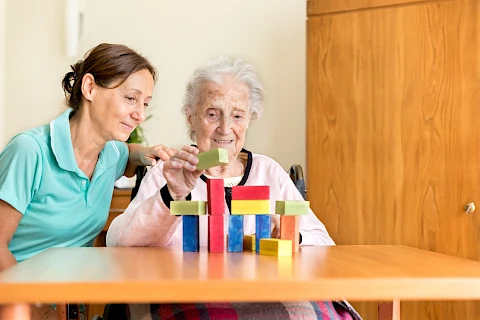
Dementia is a progressive condition that affects memory, thinking, and social abilities. It can be difficult for seniors and their families. However, engaging in certain activities can promote brain health and enhance the quality of life for older adults with dementia.
Caregivers should learn how to engage their loved ones in meaningful tasks. Such activities are designed to be adaptable, offering a range of options suitable for different cognitive levels.
Dementia and Cognitive Levels
Dementia can affect each person differently. Understanding its progression helps choose the right routine. As dementia advances, individuals may experience changes in cognitive abilities. Tailor activities to their current cognitive level. Doing so ensures they remain meaningful and effective for the elderly.
Brain Health Activities for Early-Stage Dementia
During the early stages of dementia, the elderly may still perform various tasks independently. Engaging in puzzles and brain games can be very beneficial. They stimulate cognitive functions and improve problem-solving skills. Starting with simple puzzles and gradually increasing their complexity provides ongoing challenges for the brain. This keeps them engaged and mentally active.
Social interactions can significantly boost a senior's mood and reduce feelings of isolation. Events like small group gatherings or participating in community programs provide essential social engagement. Ensure these social exercises are enjoyable and not overwhelming.
Activities for Mid-Stage Dementia
As dementia progresses, activities need to be adapted to suit changing abilities. Music and art can significantly enhance memory and encourage self-expression. Familiar songs and simple art projects offer an excellent way for older adults to communicate and express themselves.
These routines tap into emotions and can also evoke precious memories, bringing joy and comfort. Physical activities remain valuable for them with mid-stage dementia. They help improve physical health and reduce agitation.
Simple movements like chair exercises or short walks can be highly beneficial. They encourage mobility and provide an outlet for excess energy, promoting better sleep and mood. Always consult your healthcare provider before doing these tasks.
Activities for Late-Stage Dementia
During the later stages of dementia, routines focus more on providing comfort and sensory stimulation. Sensory tasks can evoke memories and offer comfort. Including familiar scents, textures, and sounds helps older adults experience the world around them. These exercises can include using lavender scents, playing calming music, or providing soft fabrics to touch.
Reminiscence therapy strengthens emotional connections and can improve mood. This involves using photos or storytelling to bring back memories. Sharing family history or stories from earlier life can provide seniors with a sense of belonging and continuity.
Adapting Activities as Dementia Progresses
Being flexible and patient is fundamental when adapting routines for a loved one with dementia. As the condition progresses, the ability to participate may change. It is necessary to observe their reactions and modify tasks accordingly. This might mean simplifying or providing more hands-on assistance.
Make Every Day Fulfilling With the Help of Senior Helpers Winston Salem, Greensboro
Participating loved ones with dementia in meaningful tasks helps promote brain health and enhances their quality of life. Caregivers are encouraged to try various exercises that cater to the unique needs of their loved ones. Whether through puzzles, music, physical exercises, or sensory stimulation, these can offer significant benefits.
For caregivers in Guilford County, Greensboro, Kernersville, and Reidsville looking for personalized support and guidance on involving activities, contact us at Senior Helpers Winston Salem Greensboro. We are here to help make every day fulfilling and enriching for your loved ones.