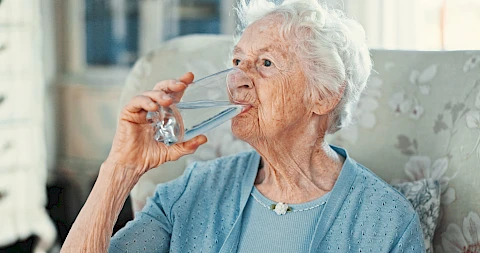
July in North Carolina means afternoons that sit stubbornly in the 90s, and for an older parent, that kind of heat carries risks that go well beyond feeling uncomfortable. Understanding why age changes the equation, and having a plan ready before the worst heat hits, can prevent a bad afternoon from turning into an emergency room visit.
Why Age Changes the Risk
The body's ability to regulate temperature declines with age, partly because sweat glands become less efficient and partly because thirst signals weaken even as fluid needs remain the same. Your dad might genuinely not feel thirsty until he's already several hours behind on hydration. Chronic conditions like heart disease or diabetes make the body work harder to cool itself, and certain medications, including some blood pressure drugs, diuretics, and antihistamines, interfere with the body's natural cooling process entirely.
If your mom takes several medications, it's worth asking her pharmacist or doctor whether any of them increase her heat sensitivity. Many people don't realize a prescription they've taken for years suddenly matters more once temperatures climb.
Recognizing Trouble Early
Heat exhaustion tends to show up first: heavy sweating, weakness, cool and clammy skin, or a headache that won't quit. Left unaddressed, this can progress to heatstroke, a medical emergency marked by a high body temperature, confusion, rapid pulse, or hot dry skin. If you notice your parent seeming unusually confused or disoriented on a hot day in Wake Forest or Rolesville, treat it as urgent rather than waiting to see if it passes.
The CDC's guide to heat-related illness breaks down the specific symptoms of each stage and what to do at every point, and it's worth bookmarking before the hottest part of summer arrives.
Building a Prevention Plan
Set a hydration schedule rather than relying on thirst as the cue. A glass of water with each meal and a couple of check-ins between meals adds up over the course of a day without requiring constant reminders. Keep the home cool during peak afternoon hours, generally between noon and 6 p.m., and encourage errands or walks around Knightdale or North Raleigh to happen earlier in the morning instead.
Lightweight, loose clothing and a wide-brimmed hat make a real difference when outside, and a cool washcloth on the neck or wrists can quickly bring body temperature down if things start to feel off.
What to Do If Something Goes Wrong
A hot afternoon doesn't have to turn dangerous with the right groundwork in place. Small daily habits, checked consistently, protect against emergencies that catch families off guard.
Families in North Raleigh, Wake Forest, Rolesville, and Knightdale trust us to help older adults stay safe and comfortable through the hottest months of the year. Contact Senior Helpers North Raleigh to talk about in-home support for your family this summer.