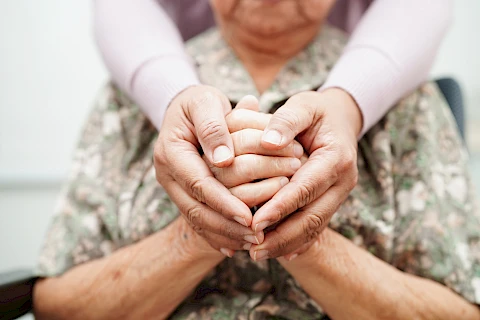
March is National Cerebral Palsy Awareness Month, a time dedicated to raising awareness and understanding of adult cerebral palsy (CP) and its impacts. For older adults with neurodevelopmental disabilities, care tailored to their needs can make all the difference in maintaining quality of life. It's time to shed light on CP's effects on those over 60, the importance of continued care, and the resources available to you.
The Impact of Adult Cerebral Palsy
Cerebral palsy is a neurological disorder caused by brain damage that typically occurs before, during, or shortly after birth. It affects movement, muscle tone, and posture. While CP is often associated with childhood, its effects continue into adulthood and old age. Common symptoms include spasticity (stiff muscles), coordination and balance difficulties, and speech issues.
The Impact of Aging on Cerebral Palsy
Living with adult cerebral palsy can indeed be more challenging. As people age, natural changes in the body can exacerbate CP symptoms. Reduced bone density, a common issue among those over 60, can increase the risk of fractures, especially when combined with mobility and balance difficulties.
Pain and fatigue may intensify with age, largely due to years of wear and tear on the joints and muscles that have worked harder to compensate for mobility issues. This makes regular health monitoring and updating care plans vital for appropriately addressing new or worsening symptoms.
Continued Care and Support
Ongoing care is essential for ensuring a good quality of life for those in their golden years with CP. Regular medical check-ups allow monitoring of new symptoms or complications that may arise with aging. Adjustments to treatment plans, such as introducing new medications or therapies, can be essential.
Physical and occupational therapy play a critical role in maintaining independence. Therapists help manage symptoms, improve mobility, and suggest adaptive techniques for daily tasks. Adapting living spaces, like installing grab bars or ramps, can also significantly enhance safety and comfort, making living more manageable.
Resources and Support Networks
For those living with adult cerebral palsy or their caregivers, there are helpful resources available. Community centers often provide tailored activities and programs for social interaction and physical fitness. Nationally, organizations like United Cerebral Palsy (UCP) offer support and advocacy. Online communities also allow for sharing experiences. Senior Helpers North Raleigh can assist in creating a personalized care plan to meet the specific needs of those with neurodevelopmental disabilities, with trained caretakers focused on compassionate care and quality of life.
Help at Home for Individuals With Cerebral Palsy
Raising awareness about the impacts of cerebral palsy on loved ones is vital for fostering understanding and support. As we age, continued attention to health and well-being becomes increasingly important. Engaging with available resources and support networks can make a significant difference.
If you or your loved one is navigating the challenges of aging with CP in North Raleigh, Wake Forest, Rolesville, or Knightdale, we encourage you to reach out to Senior Helpers North Raleigh. Our tailored care plans can help those with adult cerebral palsy live better lives every day.