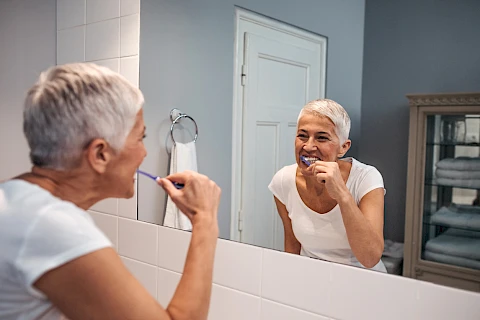
Oral health is a significant component of a person's overall well-being. However, as people age, they often face unique challenges in maintaining good oral hygiene. These challenges can include physical limitations, medication side effects, and reduced access to dental care. Caregivers must promote effective oral care for seniors to ensure they lead healthier and more comfortable lives.
Assisting With Daily Oral Hygiene
Assisting seniors in maintaining a regular oral care routine can be challenging yet rewarding. Effective brushing and flossing are necessary elements of good oral hygiene. Choosing the right toothbrush and toothpaste can make a big difference. For seniors, a soft-bristled or electric toothbrush can be easier to use and gentler on the gums. Fluoride toothpaste is recommended to help prevent tooth decay.
For seniors with limited dexterity, consider techniques such as gripping the toothbrush handle with both hands for more control or using floss picks and water flossers as alternatives to traditional flossing. Establish a consistent oral care routine. Encourage seniors to brush twice daily and floss at least once, ideally after meals and bedtime.
While independence is the goal, some seniors may require assistance. Approach this with sensitivity, offering help only when necessary and encouraging them to do as much as they can on their own.
Recognizing Signs of Dental Issues
Awareness of dental problems common among seniors can help caregivers intervene early and seek professional help when needed. Gum disease, tooth decay, and dry mouth are prevalent concerns. Watch for signs like red, swollen, or bleeding gums, persistent bad breath, loose teeth, or complaints of dry mouth.
If any unusual symptoms arise, seek professional attention. Regular dental check-ups, ideally twice yearly, are necessary to catch and manage any emerging issues early.
Managing Denture Care
Many seniors rely on dentures to maintain proper oral function. Proper care and maintenance of dentures are requisite to avoid discomfort and further oral health problems. For example, you must clean dentures daily. Use a gentle denture cleanser and a soft brush. Avoid using regular toothpaste, as it can be abrasive and damage dentures.
Ensure a comfortable fit. Ill-fitting dentures can cause sores and discomfort. If dentures become loose or cause pain, consult a dental professional for adjustments or replacements.
Connection Between Oral Health and Overall Well-Being
Good oral health is linked to numerous aspects of overall well-being. It directly impacts nutrition and digestion, as poor oral health can make eating difficult and reduce nutrient intake. There is also a strong link between oral health and chronic conditions like heart disease and diabetes. By maintaining oral health, caregivers can help manage these conditions more effectively.
Good oral health contributes to psychological and social well-being. It boosts confidence, allowing seniors to engage more comfortably in social activities, ultimately enhancing their quality of life.
Connect With Senior Helpers Holly Springs for Support
Oral care is crucial for seniors. It is a primary factor in maintaining their general health and quality of life. As caregivers, prioritizing oral health is an act of compassion and responsibility that contributes to the seniors' overall happiness and well-being.
If you are caring for a senior in Garner, Holly Springs, Raleigh, Willow Springs, or Clayton and need more support in maintaining oral health, Senior Helpers Holly Springs is here to help. Contact us for more information and assistance on our personal care services.