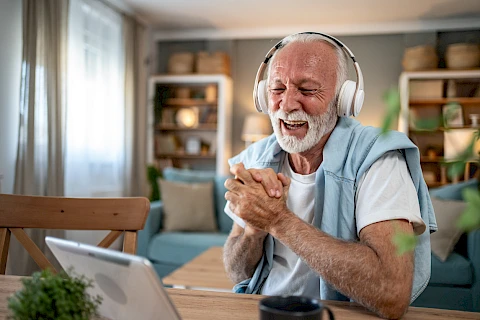
Loneliness is more than just a feeling; it's a serious issue that can impact many aspects of health, including the heart. As our loved ones age, they may experience increased isolation due to factors such as retirement, the loss of friends, or mobility issues. Discover how loneliness can affect cardiovascular health, particularly for seniors. Recognizing the connection between emotional well-being and physical health can help us take steps to support our senior family members.
How Often Loneliness Impacts Seniors
Loneliness in seniors is often misunderstood. It is not merely about being alone but about feeling alone. Causes can include living far from family, losing a spouse, or health problems that limit social activities. According to experts, over 30% of seniors experience loneliness. Many believe loneliness is a normal part of aging, but this is a misconception. Loneliness should not be ignored as it can have serious health consequences.
The Connection Between Loneliness and Heart Health
Seniors are already at a higher risk for cardiovascular problems such as high blood pressure, heart attacks, and strokes. Loneliness can worsen these issues. When seniors feel isolated, it can lead to chronic stress, which in turn increases inflammation in the body. Scientific studies have shown a strong link between loneliness and heart disease. For example, research indicates that lonely seniors have a higher risk of developing coronary heart disease and hypertension.
Emotional Health and Physiological Impact
Emotional health significantly impacts physical well-being. Stress hormones like cortisol can rise when a person feels lonely or stressed. High levels of these hormones can damage the heart and blood vessels over time. Prolonged loneliness can lead to physiological changes, including increased heart rate, higher blood pressure, and a weakened immune system. These changes increase the risk of cardiovascular disease.
Recognizing the Signs of Loneliness
Caregivers and family members should learn how to recognize signs of loneliness in seniors. These can include withdrawing from social activities, changes in appetite, or expressing feelings of sadness. Pay attention to emotional cues like irritability or mood swings. Early intervention is essential. By identifying loneliness early, we can help our senior family members reconnect with others and improve their overall health.
Steps to Combat Loneliness and Improve Heart Health
There are practical ways to help seniors combat loneliness and, in turn, improve their heart health. Encourage them to stay connected with family and friends through regular phone calls or video chats. Joining community programs or social activities can provide a sense of belonging and purpose. Many resources are available, such as senior centers and volunteer opportunities. If you're worried about a senior's heart health, don't hesitate to consult a doctor.
Seek Companionship From Senior Helpers High Point
Addressing loneliness helps maintain a healthy heart in seniors. Understanding the link between isolation and cardiovascular health can empower us to help our loved ones lead healthier, happier lives. If you have concerns about a senior's health, reach out to their doctor for advice. For in-home senior care support, contact us at Senior Helpers High Point. We are here to assist families in High Point, Thomasville, Trinity, Pleasant Garden, and Randleman, ensuring that seniors receive the care and companionship they need.