Bone Health in Seniors
Bone density refers to the amount of bone mineral in your bones. As we age, it naturally decreases, making bones more fragile. This decline can lead to conditions like osteoporosis, which makes bones brittle and more prone to fractures. Older adult with osteoporosis face greater risks of injury from falls, impacting their mobility and quality of life. Proactively managing musculoskeletal wellness is necessary to prevent these issues; diet is a significant part of that strategy.
Key Nutrients for Strong Bones
From calcium to Vitamin K, several nutrients are key to strong bones. With these nutrients consumed regularly, you should have strong bones.
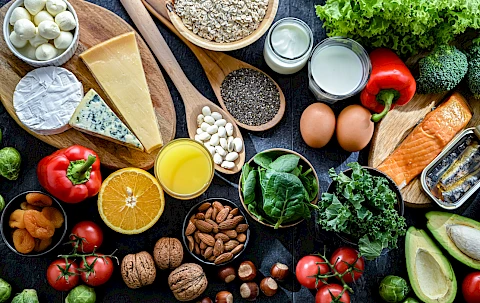
- Calcium is crucial for bone strength. Seniors should include calcium-rich foods like dairy, leafy greens, and fortified cereals.
- Vitamin D aids calcium absorption; insufficient levels can lead to brittle bones. It can be obtained from fatty fish, egg yolks, and fortified foods. Sunlight also activates it within our bodies.
- Protein helps maintain muscle mass, which is vital for mobility. Seniors should consume protein from poultry, fish, nuts, and legumes.
- Magnesium and Phosphorus support bone mineralization. Good sources include nuts, seeds, whole grains, and dairy products.
- Vitamin K is vital for bone metabolism. Eating green leafy vegetables like spinach and kale can enhance vitamin K intake.