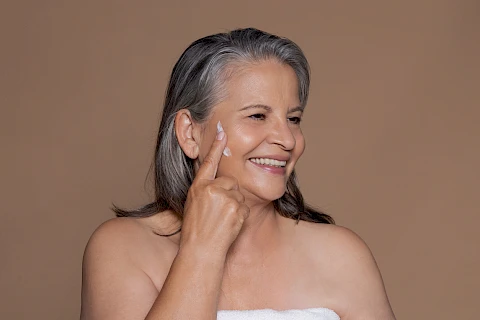
Skin becomes thinner and drier with age, and it may bruise more easily, react to products that once caused no trouble, or take longer to heal from a scratch. Gentle habits and a mild moisturizer used consistently do more work than any expensive bottle.
Keep Washing Gentle
Skin often becomes drier and more easily irritated for seniors. Use lukewarm water and a mild cleanser, then pat dry instead of rubbing with a towel. Apply fragrance-free moisturiser soon after bathing, while the skin is still a little damp. A light lotion may feel better than a thick cream during the day.
Laundry products can affect skin too. Choose fragrance-free detergent if itching has become a problem, and rinse clothes well. A soft cotton shirt can be a useful test after changing products.
Skin does better with steady habits than with a cabinet full of new products. Read labels. The National Institute on Aging offers general information about skin changes with age, and a pharmacist or dermatologist can help you sort out which products are reasonable for a particular concern.
Give Sun Protection a Place
Sun exposure can add to dryness and skin damage. A wide-brimmed hat, shade, and sunscreen can help during errands or time outside. Reapply sunscreen if the label calls for it. The American Academy of Dermatology explains how clothing and shade fit into sun safety. A morning walk may be more comfortable before the afternoon heat settles in.
Drink fluids throughout the day. Dry skin can feel worse when someone has not had much to drink.
Older adults' skin can bruise or tear more easily, so move slowly when helping with sleeves, socks, or adhesive bandages. If your senior loved one has a wound, diabetes, or a skin condition, follow directions from their own health professional rather than trying home remedies from the internet.
Look At Feet, Arms, and Skin Folds
A quick daily look can catch a sore spot, rash, or new bruise early. Do it in good light. Mention changes to a health professional, mainly if a spot bleeds, will not heal, or becomes painful. Do not use strong products to fix a problem at home. A dermatologist can advise on persistent itching, growths, or a wound that seems slow to close. Bring a list of products to the visit if you are unsure what is irritating.
Check the bathroom temperature before bathing. Very hot water can strip oils from the skin and leave it tight or itchy. A warm shower is usually enough.
Make the Routine Easy to Keep
Put cleanser, moisturiser, and sunscreen where they are easy to reach. A simple basket helps. If a senior needs a reminder, tie skin care to a regular time such as after breakfast or before bed.
Senior Helpers Gulfport can assist with daily routines for families in Gulfport, Picayune, Bay St. Louis, Diamondhead, Kiln, and surrounding areas. We can talk about in-home senior care that respects personal habits, so contact us to connect.