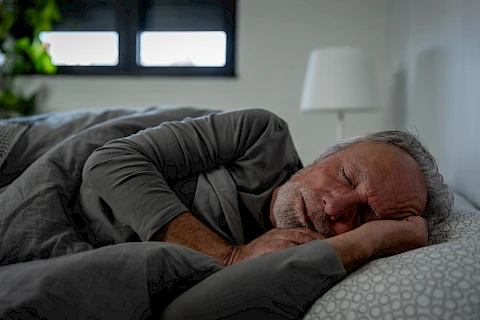
Not everyone is a seven-o'clock-lights-out person, and there's nothing wrong with that. If you've spent decades staying up late, reading until midnight, watching the late news, or just finding that your mind finally quiets down after 10 p.m., a piece of advice telling you to go to bed at 9 probably isn't going to stick. The goal here isn't to turn you into a morning person. It's to help you improve your sleep quality on a schedule that actually fits your life.
Why Sleep Quality Matters More Than Sleep Timing
The National Institute on Aging points out that older adults need roughly seven to nine hours of sleep per night, the same as younger adults, though sleep patterns often shift with age. What matters most isn't when you fall asleep but whether your sleep is consistent and restorative.
Night owls tend to run into trouble not from staying up late, but from the schedule chaos that follows. Staying up until 1 a.m. Monday, then crashing at 10 p.m. Tuesday, then sleeping past noon on a Sunday, fragments the body's circadian rhythm in ways that leave you groggy, foggy, and more prone to mood shifts. Consistency is the lever that matters most. If you reliably go to bed at midnight and wake at eight, your body can calibrate around that pattern.
Habits That Help When You're a Night Owl
A few adjustments can make a real difference without requiring you to overhaul your whole routine.
Anchor Your Wake Time
Even if you stay up late, try to wake up at roughly the same time each day, including weekends. This keeps your body clock stable more than anything else you can do.
Dim the Screens an Hour Before Bed
The Gulf Coast evenings in Gulfport and Long Beach are beautiful this time of year, and a short walk outside at dusk costs nothing and genuinely helps. Bright phone and TV screens delay melatonin release. Switching to lower lighting, an e-reader with a warm setting, or a paperback an hour before bed makes falling asleep easier when you're ready.
Keep the Bedroom Cool and Dark
Coastal humidity can make a warm room feel stifling, and heat disrupts sleep. A fan or air conditioning set a few degrees cooler than your daytime comfort level creates better conditions for deep sleep.
Avoid Large Meals or Alcohol Close to Bedtime
Both interfere with sleep quality. A light snack is fine. A heavy dinner at 11 p.m. tends to keep the body working when it should be winding down.
When to Talk to a Doctor
If you're following a consistent schedule and still waking repeatedly through the night, lying awake for hours, or feeling exhausted despite getting enough hours in bed, those patterns are worth mentioning to your doctor. Sleep apnea, restless leg syndrome, and certain medications can all disrupt sleep in ways that a consistent schedule alone won't fix. Seniors in Picayune and Bay St. Louis who have these concerns shouldn't wait, because the effects of poor sleep compound over time.
Resting Better on the Coast
Good sleep is within reach even for lifelong night owls. Senior Helpers of Gulfport supports older adults and their families in Diamondhead, Kiln, Long Beach, Pass Christian, Pearlington, and Waveland. If your loved one could benefit from in-home care that helps maintain healthy daily routines, contact us to learn more.