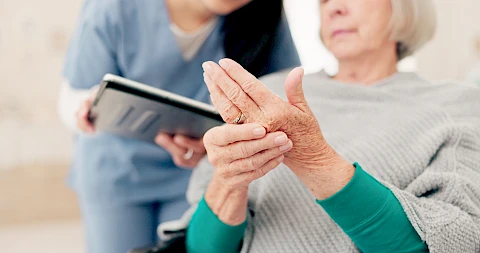
Chronic pain is a common issue among seniors and can have a major impact on daily life. Whether it is constant pain or flare-ups, chronic pain can make it difficult to stay active and healthy. Learning and managing this pain is necessary for living well in your golden years. Seniors and their caregivers must learn to identify common causes of chronic pain, explore non-medication strategies for relief, and know when it's best to seek medical help.
Common Causes of Chronic Pain in Seniors
Our bodies naturally face more wear and tear as we get older, leading to chronic pain from several causes. One of the most common is arthritis, which causes joint pain and inflammation. This can limit mobility and make everyday tasks challenging. Back pain often results from spinal issues, which are common among seniors due to age-related changes in the spine. Neuropathy, or nerve damage, frequently seen in individuals with diabetes, can also lead to persistent pain. Other age-related conditions, such as osteoporosis, can contribute to pain, making it necessary to learn the different potential causes.
Non-Medication Strategies for Pain Relief
While medication can prove helpful, there are many non-medication methods to help manage chronic pain. Physical therapy and exercise can be highly effective. Gentle activities, such as walking or swimming, can keep the body moving without causing additional stress on joints. Just be sure to check with your doctor if they're safe for you to do.
Mindfulness and relaxation techniques, such as meditation or deep breathing exercises, can also alleviate pain and reduce stress. Dietary adjustments can have a big impact too; a nutritious diet rich in anti-inflammatory foods helps maintain overall health. Using assistive devices, such as canes or ergonomic chairs, can ease strain and promote independence in daily activities.
When to Seek Medical Help
Despite the benefits of non-medication strategies, there are times when professional medical help is necessary. Learn to recognize the signs that require intervention, such as sudden increases in pain, new symptoms, or a lack of improvement over time. Pain specialists help with chronic pain management, offering targeted treatments. Regular checkups and screenings with healthcare providers ensure that any changes in pain levels are appropriately monitored and managed.
Tips for Communicating With Healthcare Providers
Effective communication with healthcare providers helps manage chronic pain. Preparing for medical appointments can ensure all concerns are addressed. Describe pain accurately by noting its location, intensity, and any activities that worsen it. This helps doctors pinpoint causes and tailor treatments. Don't hesitate to ask questions about treatment options or voice concerns. Discussing your pain openly can lead to better outcomes and more tailored support.
Seek Support From Senior Helpers Gulfport
Chronic pain is a challenge, but it doesn't have to diminish your quality of life. Seniors can manage their pain more effectively by understanding common causes and exploring various relief strategies. Remember to stay proactive, seek medical guidance when needed, and maintain open communication with healthcare providers about your experience. For those in Gulfport and nearby areas such as Diamondhead, Bay St. Louis, and Picayune, Senior Helpers Gulfport is here to offer personalized support and care. Contact us for assistance in managing chronic pain and maintaining an active and fulfilling life.