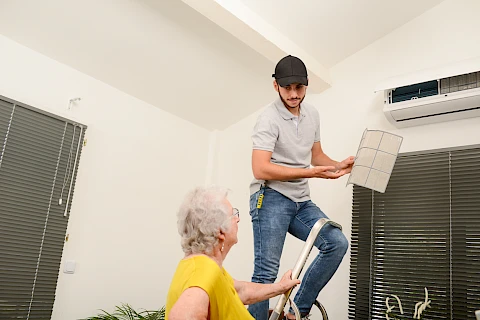
Seasonal allergic triggers can be a nuisance, especially for older adults who find symptoms disrupting their everyday comfort. While blaming the flowering trees or freshly cut grass outside is easy, many irritants lurk within the home. Learning how to control indoor allergens is necessary for maintaining quality of life. At Senior Helpers, we focus on practical steps to reduce irritations and help you breathe easier at home.
Know Your Allergic Triggers
A necessary step to control indoor allergens or sensitivities is having a good grasp of what you're up against. Common indoor irritants include dust mites, pet dander, mold spores, and pollen that sneak in from outside. It's essential to identify which of these triggers are affecting you. A symptom diary can help track when you experience a flare-up, giving clues about its origin. Comprehending your triggers will empower you to take the proper steps toward relief.
Maintain Clean Air
Keeping the air in your home clean is one of the best defenses against hypersensitivity. Regularly changing your home's air filters is critical. Look for high-efficiency particulate air (HEPA) filters, which are effective at trapping tiny particles, including allergic responses. Investing in a quality air purifier can significantly improve air quality. These devices are beneficial in bedrooms where you spend much time.
Deep Clean Your Home
A clean home is a happier, healthier one. Start by dusting surfaces with a damp cloth to trap dust, and vacuum regularly with a HEPA filter to control indoor allergens. Wash bed linens and curtains frequently, as they can harbor dust mites and pollen. Keep an eye out for mold and mildew in damp areas like bathrooms and kitchens, and promptly address any leaks or moisture buildup.
Consult With Healthcare Professionals
If hypersensitivity symptoms persist despite your best efforts, it may be time to talk to a doctor. Healthcare professionals can suggest treatments and medications suited to your specific needs. They might recommend allergy testing, which can pinpoint your exact sensitivity. Understanding these sensitizers can help tailor your indoor environment to minimize exposure.
Stay Hydrated and Rested
Don't underestimate the importance of hydration and rest in managing allergy symptoms. Drinking enough fluids can thin mucus in your airways, making breathing easier—aim for at least eight glasses of water daily. A healthy diet will also boost your immune system. Additionally, maintaining a steady sleep schedule strengthens your immunity, helping your body combat allergy manifestations. Prioritize sufficient rest each night for overall well-being.
Need Help Fighting the Battle to Control Indoor Allergens?
Managing household allergies can be simpler with the proper support. A home caregiver can assist with hygiene, cleaning, and nutrition, helping to create a more comfortable indoor environment.
For personalized companion care, contact us at Senior Helpers St. Charles. We help seniors in St. Charles, St. Peters, Chesterfield, Ballwin, and the greater West County areas, helping them live healthier lives free from seasonal allergies.