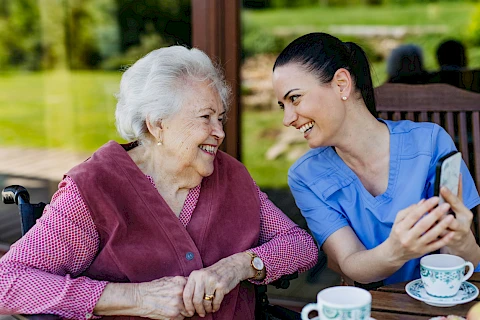
Dementia is a condition that significantly impacts a senior's daily life, affecting memory, thinking, and behavior. As symptoms progress, creating a safe and supportive home environment becomes necessary for the well-being of individuals living with dementia. A dementia-friendly home is not just about comfort—it's an integral part of safety and quality of life. Learn how to adapt homes for loved ones with dementia, ensuring safety for them and peace of mind for you.
Ensuring Safety in the Home
Safety is the first consideration when adapting a home for someone with dementia. This involves identifying common hazards around the house and making necessary changes to prevent accidents. Ensure that rooms and hallways are free of clutter to prevent falls. Secure loose rugs and cords, and install bathroom grab bars for extra support. Adequate lighting is helpful, especially in stairways and near obstacles. Night lights in bedrooms and hallways can guide during nighttime hours. Create clear pathways throughout the home, allowing for safe and easy movement.
Reducing Confusion and Anxiety
Living in a cluttered or disorganized space can heighten confusion and anxiety for someone with dementia. Structuring the home for simplicity can help. Simplify the layout by minimizing furniture and creating easy-to-navigate paths. Remove unnecessary items that could cause distractions or confusion. Use labels and signs on doors, cupboards, and drawers to help your loved one remember where things are. Consistent use of clear, simple labels can aid memory and orientation over time. Establishing a daily routine provides predictability, helping to reduce anxiety. Regular meal times and consistent bedtime routines can make a big difference.
Creating a Supportive Environment
A supportive environment for someone with dementia includes physical surroundings and emotional elements. Incorporate familiar objects and personal items. Photos, cherished possessions, and family heirlooms can provide comfort and connection. Design spaces that are calm and minimize stress. A quiet corner with soft seating and low lighting can be a perfect spot for relaxation. Pay attention to colors and textures. Soft, muted colors can soothe, while varying textures can offer sensory stimulation without overwhelming.
Managing Dementia-Related Behaviors
Many caregivers face challenges in understanding and managing behaviors like wandering and agitation. Altering the environment can make a significant difference. An enclosed garden or yard allows for safe wandering, giving a sense of freedom while ensuring safety. Minimize environmental triggers that can cause agitation, such as loud noises or crowded spaces. Soft music or fragrant flowers can create a calming atmosphere. Encourage positive interactions and engagement through simple activities. Puzzles or sensory tasks can provide stimulation and help manage restlessness.
Take the Next Step with Help from Trusted Senior Care in Kansas City North
Adapting a home to be dementia-friendly is beneficial for the safety and happiness of those living with dementia. Identifying and mitigating risks, simplifying the living space, and offering emotional support through the environment can significantly enhance a loved one's quality of life.
These changes play a key role in supporting meaningful and consistent care.. If you need personalized assistance in making these changes, contact us at Senior Helpers Kansas City North. Our team is ready to help families in Liberty, Gladstone, and Kansas City create homes that cater to the unique needs of individuals with dementia.