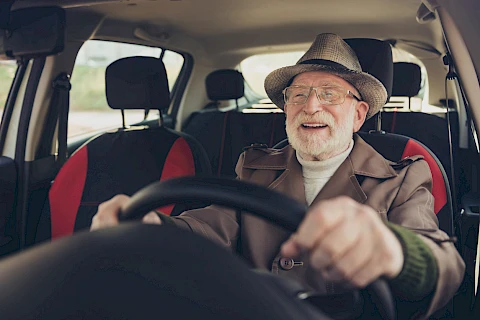
Parkinson's disease is a progressive neurological disorder that is more common among seniors. It affects about one million people in the United States, with many individuals experiencing symptoms that can interfere with daily activities, including driving. Driving is an important aspect of independence, but for seniors with Parkinson's, safety should always come first.
The Impact of Parkinson's on Driving
Parkinson's disease has many symptoms that can significantly affect driving. Commonly, individuals may experience tremors, slowed movement, and cognitive changes. Tremors can make it difficult to control the steering wheel, while slowed movements can delay reaction times in critical situations. Cognitive changes might affect the ability to make quick decisions, impacting a driver's capacity to respond appropriately to unexpected road conditions or hazards. These symptoms can compromise driving safety, turning what might seem like a mundane activity into a risky endeavor.
Recognizing When to Get Evaluated
Know when to seek a driving evaluation. Some signs that it might be time for an assessment include frequent close calls, getting lost on familiar roads, or receiving feedback from friends and family about driving concerns. Regular medical check-ups are vital for monitoring Parkinson's symptoms and their impact on driving abilities.
Healthcare professionals can offer insight and may refer individuals for driving assessments. These evaluations, conducted by occupational therapists or specialized driving assessors, provide an objective measure of a person's capability to drive safely.
Exploring Alternatives to Driving
When driving is no longer the safest option, exploring alternatives is essential. Fortunately, several transportation options are available:
- Public Transportation: Using buses or trains can help maintain mobility and independence.
- Ride-Sharing Services: Apps like Lyft or Uber can be convenient and cost-effective.
- Community Shuttles: Many communities offer shuttle services for seniors to run errands or attend appointments.
These alternatives allow individuals to continue participating in community activities without the risks associated with driving.
Having Difficult Conversations About Driving
Discussing driving safety with a loved one who has Parkinson's can be challenging. It's important to approach the subject with empathy and respect. Start the conversation by expressing concern for their safety and well-being, emphasizing that this isn't about taking away their freedom but about ensuring their safety.
Involving healthcare providers can lend credibility to the discussion and help make the conversation less personal. Physicians or therapists can provide professional opinions and suggest the best course of action based on medical evaluations.
Provide Care at Home for Seniors With Parkinson's
Driving safety is a critical concern for seniors with Parkinson's disease, but it's possible to balance safety with independence. By understanding the symptoms and their impact on driving, recognizing when it's time for an evaluation, and exploring alternative transportation options, seniors can maintain their quality of life without compromising on safety.
Navigating Parkinson's disease can be a challenge–but it's not one your family has to face alone. If you're in Andover, Anoka, Champlin, Circle Pines, or Minneapolis, don't hesitate to contact Senior Helpers North Metro. Our in-home care services can help seniors with Parkinson's maintain their independence and protect their quality of life even while dealing with this difficult condition.