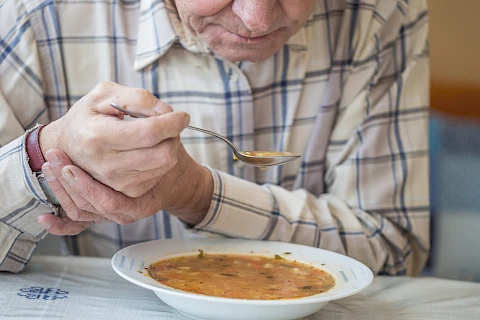
Parkinson's disease can affect many daily functions, including the ability to swallow safely. Known as dysphagia, swallowing difficulties can impact nutrition, hydration, and overall health of seniors with Parkinson’s. Left unaddressed, they may increase the risk of complications such as choking or aspiration pneumonia. With the right strategies and support, seniors and caregivers can manage these challenges and maintain safer, more comfortable mealtimes.
How Parkinson's Can Lead to Swallowing Difficulties
Parkinson’s disease affects the nervous system and can interfere with the muscles used for swallowing. As a result, seniors with Parkinson's may experience various swallowing problems.
Common warning signs include:
- Coughing or choking during meals
- A sensation of food sticking in the throat
- Wet or gurgly voice after eating
- Unexplained weight loss
Recognizing these symptoms early allows for quicker intervention and better outcomes.
Strategies for Safe Swallowing for Seniors With Parkinson’s
Simple adjustments can make eating safer and more manageable:
- Modify food texture: Soft, minced, or pureed foods are often easier to swallow. Avoid dry, crumbly, or tough foods. Adding sauces or gravies can also help moisten foods and make them easier to manage.
- Maintain proper posture: Sit upright with feet flat on the floor and remain seated for at least 30 minutes after eating. Slightly tucking the chin can sometimes improve swallowing control.
- Create a calm environment: Minimize distractions to encourage slow, focused eating. Allow enough time for meals so there is no need to rush.
- Take small bites and sips: This helps reduce the risk of choking and allows better control while swallowing. Pause between bites to fully clear the throat before continuing.
These changes can improve safety, increase confidence during meals, and support more comfortable eating routines.
Maintaining Nutrition and Hydration
Maintaining proper nutrition is still essential. Smaller, more frequent meals can help reduce fatigue during eating and make it easier to consume enough calories throughout the day. Choosing nutrient-dense foods ensures that even smaller portions provide the energy and vitamins the body needs.
Hydration may also require adjustments. Thin liquids can be harder to swallow safely, so thickened beverages may be recommended. Using cups designed for controlled sipping can also help. A dietitian can create a personalized plan that supports both safety and proper nutrition while accommodating individual preferences.
When to Seek Professional Help
Sometimes, despite best efforts, professional help is necessary. Speech therapists specialize in managing swallowing disorders and can offer personalized strategies to improve the safety of seniors with Parkinson’s. If you notice a persistent increase in coughing during meals, frequent pneumonia, or significant changes in your loved one’s eating habits, it may be time to seek professional intervention. These specialists can provide valuable training and exercises to strengthen the muscles involved in swallowing.
Supporting Safer Eating
Swallowing difficulties are common in seniors with Parkinson's disease, but there are effective strategies to manage them safely. Remain vigilant for warning signs and seek help when needed.
For those in the Cedar Springs, Comstock Park, Gowen, Sparta, and Wyoming areas, Senior Helpers Greater Grand Rapids is here to provide personalized support. Contact us for assistance and ensure the best possible Parkinson’s care for you or your loved one.