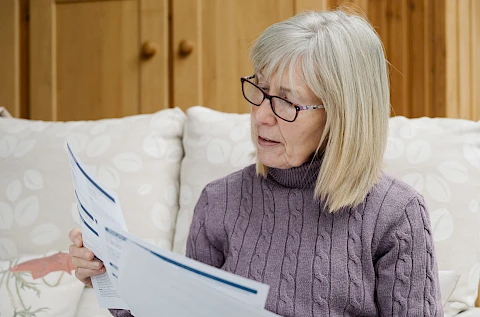
Managing energy bills is a must for seniors, as it can significantly impact their monthly budget. High energy costs can be overwhelming, but understanding and managing these bills can make a big difference. As caregivers, you must help seniors navigate their energy usage and find potential savings.
Decoding Energy Bills
Energy bills can be complex and filled with terms that might be unfamiliar. Let's break down some standard terms you might encounter.
- Kilowatt-Hour (kWh): This measures how much electricity is used. It's the standard unit for energy consumption.
- Supply Charge: This is the cost of generating the electricity you use.
- Delivery Charge: This is the cost for the company to deliver electricity to the home.
- Fixed and Variable Rates: Fixed rates mean the cost per kWh remains the same, while variable rates can change based on market conditions.
Understanding these terms helps decipher the bill's breakdown of charges. Knowing what's being charged can empower caregivers to make informed decisions about energy use.
Interpreting Usage Data
Reading and understanding energy usage data is key to managing bills. To interpret this data effectively, start by looking for patterns in energy usage. Usage is often higher during certain times of the day or in specific seasons. Identifying these patterns can guide caregivers in adjusting energy use to off-peak times when rates are lower.
It's also necessary to compare current usage with past bills to see trends in energy consumption. Sudden increases might indicate issues such as faulty appliances or inefficient energy habits. By regularly monitoring bills, you can catch any discrepancies or unexpected spikes in usage, allowing for timely interventions.
Identifying Potential Savings
Finding areas for potential savings can significantly reduce the overall bill. Focus on high-consumption areas like heating, cooling, and lighting. Encouraging seniors to wear warmer clothing can help reduce heating costs, while opening windows can minimize the need for air conditioning. Minor, consistent adjustments in these areas can lead to substantial savings over time.
Practical Tips for Reducing Energy Consumption
Simple changes can effectively reduce energy usage in senior care. One of the easiest ways to start is by turning off lights in unoccupied rooms and encouraging the use of natural light during the day. Adjusting the thermostat by a few degrees—lower in winter and higher in summer—can also lead to significant savings on heating and cooling costs.
Investing in energy-efficient appliances is another effective strategy. While some appliances require an upfront cost, reducing energy bills will be beneficial in the long run. Consider options like LED lights, smart thermostats, and Energy Star-rated appliances. These technologies not only reduce energy consumption but can also provide added comfort and convenience for seniors.
Contact Support With Senior Care
Effectively managing energy bills is a needed aspect of caring for seniors. By decoding energy bills, interpreting usage data, and identifying savings areas, caregivers can help seniors enjoy more manageable expenses. Simple changes and energy-efficient technologies can significantly reduce energy consumption, bringing peace of mind and comfort.
At Senior Helpers Ann Arbor, we help families in Adrian, Ann Arbor, Ypsilanti, Jackson, and Hillsdale. Contact us if you need personalized assistance and support with senior care for your loved ones.