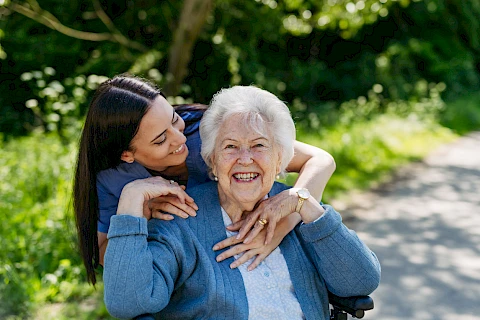
Senior mental health is sometimes prioritized less than it should. It can be overlooked whether intentionally or not and our elderly loved ones may be suffering without us knowing. As we honor Mental Health Awareness month, Senior Helpers puts a spotlight on how depression can affect older adults. Recognizing depression in its early stages can significantly help with the right support and a timely intervention.
Depression in Older Adults
Depression in the elderly may look different from that of the younger ones. For instance, it's commonly mistaken for typical aging behavior, creating a dangerous illusion that can delay necessary treatment. A key misunderstanding is thinking that being less active or having a low mood is just a part of aging. However, these could be signs of depression, which is a medical condition that needs attention.
Signs and Symptoms of Depression in Seniors
Depression can affect your entire well-being, showing itself in various ways:
- Physical symptoms: Seniors with depression might experience constant fatigue, lose their appetite, or have sleep difficulties. These symptoms can sometimes be attributed to other health conditions, making it harder to recognize depression.
- Emotional symptoms: You may notice an ongoing sense of sadness or hopelessness. There's often a marked loss of interest in once enjoyable activities. This emotional downturn can isolate you from friends and family, worsening the situation.
- Cognitive symptoms: Depression can also lead to memory problems and difficulty concentrating. These issues might be mistaken for normal aging, but are significant signs of depression in the elderly.
Unique Challenges for Seniors
Certain events can increase the risk of depression. Many older adults face social isolation and have lost several loved ones. These losses can feel overwhelming and lead to feelings of loneliness. Additionally, chronic health conditions like diabetes or heart disease can lead to emotional distress.
Another critical factor is the stigma around mental health. Our elderly loved ones may have grown at a time when mental health issues were not openly discussed. Reaching out and asking for help may not be something they are used to. Remember though, that times have changed and talking about mental health is now encouraged.
Seeking Help and Treatment Options
The earlier you detect depression, the better. If you or an elderly loved one notices symptoms, don't wait to seek help. Intervention can dramatically change the course of this illness. Treatment options for depression include therapy, medication, or lifestyle changes like exercise and social engagement.
Therapy gives you tools to manage your thoughts and emotions, while medications can help balance chemicals in your brain. Small lifestyle adjustments, such as walking or joining a social group, can also have a positive effect.
Don't hesitate to consult with healthcare professionals. They can offer guidance and walk you through the options that are available to help manage depression.
Senior Helpers Prince Georges County Supports Elders With Depression
Understanding and recognizing depression in seniors is necessary to leading a happy and healthy life. Seniors and their families should actively engage in conversations about mental health to prevent a decline in well-being. Whether you're a senior or a concerned family member, reach out to us at Senior Helpers Prince Georges County for professional support. We offer aid and resources for senior citizens in Lanham, Bladensburg, Mount Rainier, Bowie, and Hyattsville. Don't let depression dominate your golden years. Our team of compassionate homecare professionals is here for you.