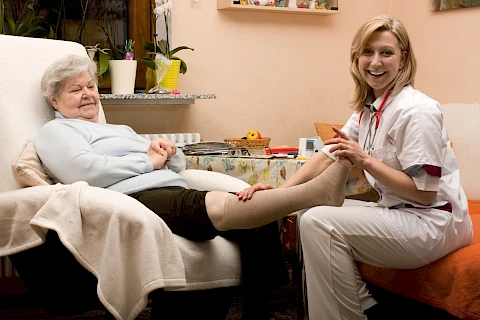
Feet carry a person through the ordinary parts of a day, from the kitchen sink to the mailbox. Those in their golden years who have difficulty bending or inspecting their own feet may easily overlook minor issues. Senior Helpers knows that adding senior foot care to their routine can help.
Make the Check Simple
Choose a seated time after a shower or before socks go on. Look for redness, swelling, blisters, cracked skin, cuts, and changes around the nails.
Ask them what hurts. Oftentimes, shoes that rub the wrong way can tell you plenty for someone living with diabetes or circulation concerns; a foot problem needs prompt attention. The National Institute on Aging explains diabetes care for older adults. Skip sharp tools and home treatments for an open sore. Take it slowly.
Pay Attention to Shoes and Socks
Choose shoes with toe room, a secure heel, and soles that grip. Worn slippers can slide. Have your parent walk a few steps before buying a pair so they can describe pressure or pinching.
Clean, dry socks without thick seams are a good start. In Owings Mills, Pikesville, or Ellicott City, a pharmacy stop can double as a quick check on how their shoes feel. Watch their stride. A new limp deserves a closer look.
Support Everyday Foot Care
A simple, consistent senior foot care routine keeps your loved one comfortable and prevents complications. You may want to keep these in mind.
- Wash and dry carefully: Clean feet thoroughly and dry completely, especially between the toes, before moisturizing dry skin.
- Keep supplies handy: Store care items in a small basket near their chair to avoid repeated bending.
- Use professional help: Have a podiatrist treat thick, curved, or painful nails, and never cut corns or calluses at home.
- Assist where needed: Help with hard-to-reach areas while letting your loved one point out any tender spots.
Act on Warning Signs
Recognizing changes early and responding promptly can prevent minor podiatry issues from becoming serious health concerns. Here are practical ways to manage warning signs and ensure their voice remains central to care decisions:
- Recognize urgent symptoms: Contact a clinician immediately for wounds, spreading redness, warmth, drainage, sudden swelling, or persistent pain, and seek emergency care if the foot turns cold, pale, or blue.
- Document and prepare: Keep brief notes on symptom locations, colors, and timing, and bring their everyday shoes to appointments to help determine if fit is contributing to the issue.
- Track subtle changes: Note recurring sore spots or changes in gait over time to identify patterns that might otherwise be overlooked during a busy week.
- Adjust care plans collaboratively: Reevaluate routines after short trials to keep what works, ensuring the person receiving care actively participates in decisions about their daily support.
- Pace conversations: Take care to plan step by step during calm moments rather than trying to resolve every change in a single conversation.
- Record what works: Document successful adjustments to make future conversations easier and provide a clear reference for preferences.
Senior Foot Care That Fits the Daily Routine
Senior Helpers Central Maryland can help families keep ordinary routines manageable. We serve Pikesville, Owings Mills, Ellicott City, Randallstown, and nearby communities. Contact us today to get support with foot care for an elderly loved one.