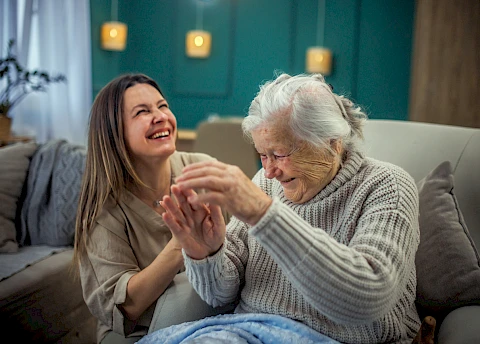
When families talk about a loved one's health, the conversation tends to split along familiar lines: the physical side (mobility, medication, nutrition) and the emotional side (mood, memory, social life). Treating those as separate domains makes logistics easier, but misses something fundamental. In older adults, mental and physical health are genuinely intertwined, shaping care outcomes every day.
How Mental Health Affects Physical Well-being
Depression and anxiety are not simply emotional states; they have real physical consequences. Chronic low mood raises cortisol levels, suppresses immune function, and increases systemic inflammation, all of which contribute to a higher risk of cardiovascular disease, slower recovery from illness or surgery, and increased pain sensitivity.
Seniors living with depression are also more likely to neglect physical self-care. They may skip medications, reduce physical activity, eat less nutritiously, and withdraw from the medical appointments that catch problems early. Over time, these behavioral effects of depression quietly worsen physical health in ways that can look like "the body failing" but are partly rooted in a person's emotional state.
The National Institute of Mental Health notes that depression is not a normal part of aging and that it frequently goes undiagnosed in seniors because symptoms are attributed to other medical conditions.
How Physical Health Affects Mental Well-being
The connection runs in the other direction, too. Seniors managing chronic pain, mobility limitations, or a new diagnosis often experience mood changes that are direct responses to physical circumstances. Chronic pain is one of the strongest predictors of depression. Poor sleep, which affects a large portion of older adults, destabilizes mood and increases anxiety. Hearing and vision loss can lead to social withdrawal, which in turn contributes to loneliness and depression.
For caregivers in Ellicott City, Reisterstown, and Windsor Mill, this means that when a loved one seems more withdrawn or irritable, a physical cause is worth exploring alongside an emotional one. Did their sleep change recently? Did a new medication start? Are they in more pain than usual? The answer to those questions often explains mood changes more precisely than personality or circumstance alone.
Signs to Watch for as a Caregiver
Watching for the connections between physical and emotional changes is part of what attentive caregiving looks like in practice.
A few things worth noting when they shift include:
- Loss of interest in activities or hobbies a person has always enjoyed
- Changes in appetite, either increased or decreased, that don't correspond to any obvious physical explanation
- Sleep that worsens meaningfully, either falling asleep or staying asleep
- Increased pain complaints, fatigue, or physical symptoms that don't seem to have an identifiable cause
- Withdrawal from people they normally enjoy spending time with
While any one of these changes may have a simple explanation, a cluster of them, or a sudden change, is worth bringing to a physician who can look at the full picture.
Holistic Care That Sees the Whole Person
Whole-person wellness for seniors means addressing mental and physical health with equal seriousness, recognizing that care decisions in one domain affect outcomes in the other. In practical terms, that might mean making sure a senior with depression gets consistent help with meals and medication reminders, so that the physical self-care doesn't fall away while the mental health piece is being addressed.
Care That Holds the Full Picture
Mental and physical health rarely operate independently in older adults. Changes in one area often influence the other, making it easier to miss underlying concerns when only part of the picture is considered. Senior Helpers of Central Maryland provides in-home care that supports seniors across multiple aspects of daily life, helping families navigate those changes with greater confidence.
Contact us to discuss a care plan tailored to your loved one's unique needs and circumstances.