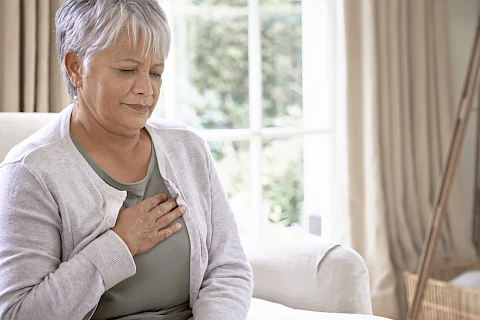
Heart health remains a central concern in later life. The risk of heart attacks and other cardiac events increases with age. February is American Heart Month and a strong reminder to review emergency steps. A clear action plan reduces hesitation and supports faster response during a crisis.
How to Recognize Symptoms of a Heart Attack
Knowing the symptoms of a heart attack can be life-saving. Common signs include chest pain or discomfort, shortness of breath, nausea, lightheadedness, and discomfort in the jaw, neck, or back.
Seniors often experience symptoms differently from younger individuals, and they can also vary between men and women. Men often experience intense chest pressure and pain that radiates down the left arm. Women are more likely to have symptoms like nausea, fatigue, and shortness of breath.
Early recognition of these signs can make all the difference in saving a life.
Immediate Actions to Take
If you suspect a heart attack, remain calm and act quickly. Call emergency services right away. Do not wait to see if symptoms improve.
Keep the senior seated or lying down in a comfortable position. Limit movement and offer reassurance while waiting for help.
If prescribed nitroglycerin, assist with the correct dose as directed by their physician.
Avoid giving food or drinks during the emergency. This may complicate medical treatment.
Stay nearby and monitor breathing and responsiveness until responders arrive.
How to Communicate With Emergency Responders
Emergency responders will need vital information when they arrive to provide the best care. Be ready to share the senior's symptoms, how long they have persisted, any known medical conditions, and current medications. Having a prepared medical information sheet can be incredibly helpful. This document should list allergies, existing medical issues, prescribed medications, and their dosages. Sharing the senior's medical history quickly allows responders to make informed decisions, potentially improving outcomes.
Create a Personalized Emergency Plan
Each senior has unique health needs, so it is wise to create a personalized emergency plan with their doctor. The doctor can help you document any specific medical conditions, recommended medications, and any required emergency procedures. This plan should be updated regularly, especially if there are any changes in the senior's regimen or health. Keep information current to ensure you are prepared for any scenario.
Preparedness and Education
Being prepared with the right knowledge makes a stressful situation more manageable. CPR and first aid training are valuable skills for caregivers. It is beneficial to know how to perform CPR correctly while waiting for medical professionals. Many organizations offer resources and courses in basic life support and first aid. Consider involving family members in this training as well. More prepared hands can ensure the senior receives prompt assistance.
Confidence Comes From Preparation
Heart emergencies demand quick action and steady judgment. Early symptom recognition and a structured response plan help caregivers act decisively when seconds matter. Preparation transforms panic into purposeful action.
For families in Pikesville, Owings Mills, and Ellicott City, Senior Helpers Central Maryland offers in-home support that reinforces safety planning, medication reminders, and daily oversight for those living with heart conditions. Connect with us to discuss Personal Care or Chronic Disease Care options that help your loved one stay secure and supported at home.