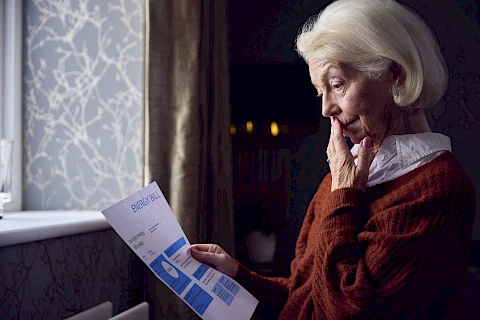
Managing energy bills is an important part of maintaining comfort and peace of mind for seniors. Rising costs can add stress, so it helps to understand how energy usage works and where savings can be found. With the right knowledge, caregivers and seniors can make small changes that add up to lasting comfort and financial relief.
Breaking Down Energy Bills
Energy bills can sometimes seem confusing with all their terminology and figures. Understanding common terms is the first step towards managing these bills effectively:
- Kilowatt-hour (kWh): This measures the amount of electricity used. Understanding how much energy is consumed in kWh is key to monitoring usage.
- Supply charges: These are the costs of producing or buying the electricity delivered to your home. They reflect the actual energy consumption.
- Delivery charges: These charges cover the cost of delivering electricity to your residence, maintaining the local grid, and providing other utility services.
Knowing these terms helps caregivers and seniors see where their money goes and how to better manage energy spending.
Reading and Interpreting Usage Data
Accurately reading usage data is the key to spotting savings opportunities. Look for the section that shows daily or monthly usage in kWh. This reveals how much energy is consumed over time.
Patterns often point to peak usage hours, which drive up costs. Many providers also offer online dashboards that display energy trends—useful tools for tracking and adjusting household habits.
Identifying Areas for Potential Savings
Certain household systems use more energy than others. Heating and cooling are usually the biggest expenses. Keeping systems serviced and setting thermostats wisely can reduce costs.
Lighting and appliances also affect bills. Switching to LED bulbs and choosing energy-efficient appliances lowers overall consumption. Even small adjustments—like turning off unused lights or running full laundry loads—help stretch savings further.
Energy-Saving Tips for Senior Care
Energy conservation can be simple with practical strategies:
- Improve insulation. Proper insulation helps maintain comfortable indoor temperatures without forcing heating or cooling systems to work harder than necessary.
- Weatherproof windows and doors. Sealing gaps prevents drafts and reduces wasted energy, keeping homes more efficient year-round.
- Adopt smart home technology. Tools like smart thermostats can automate and optimize energy usage, making it easier to balance comfort with cost savings.
These energy-efficient practices do more than reduce bills. They also support seniors’ health by creating a safer, more comfortable living environment. Consistent temperatures and proper air circulation promote overall well-being, making energy management an important aspect of senior care.
From Energy Awareness to Everyday Comfort
Managing energy bills might seem daunting, but with the right knowledge and proactive steps, caregivers can significantly improve both comfort and finances for the seniors they support. Key points to remember include understanding billing terms, tracking usage data, and identifying savings opportunities.
Taking action makes a real difference. Whether it’s adjusting household habits or exploring new tools, every effort adds to greater comfort and peace of mind. And when daily responsibilities feel overwhelming, Senior Helpers Central Maryland is here to help. Our compassionate caregivers provide reliable in-home support in Pikesville, Owings Mills, Woodstock, Catonsville, and Windsor Mill, giving seniors the confidence to enjoy life at home while staying comfortable and cared for. Contact us today to learn more.