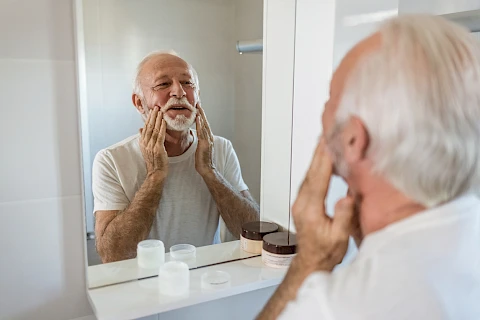
Good hygiene helps prevent infections and supports self-esteem. However, as a caregiver, you might notice sudden changes in your senior loved one's hygiene habits, which could point to an underlying issue. One possible cause is Seasonal Affective Disorder (SAD), but there are several other factors that might contribute. Recognizing these early can help you address them with sensitivity and care.
Hygiene Challenges in Seniors
Several factors can contribute to hygiene difficulties in seniors. Physical limitations and decreased mobility can make it hard for them to manage daily hygiene needs. Tasks like bathing or brushing teeth can become daunting if they have trouble moving around.
Cognitive decline and progressive mental conditions, such as dementia, are also common reasons. Seniors may forget or not realize the importance of maintaining hygiene. Emotional and psychological factors, including depression and SAD, can also influence habits. When mood is low or energy is lacking, interest in personal care often fades.
Seasonal Affective Disorder and Its Impact
SAD is a type of depression that occurs at a specific time of year, usually in the winter months when daylight is limited. Its symptoms include fatigue, sadness, and a lack of interest in activities, including personal care routines. Seniors may find it harder to keep up with daily hygiene tasks during these times.
It’s helpful to distinguish SAD from other mental health conditions. Depression and anxiety can also cause changes in hygiene routines, but they may occur regardless of the season. Spotting these differences can make it easier to choose the right type of support.
Approaching the Topic With Your Senior Loved One
Talking about hygiene can be a sensitive subject. Start the conversation with empathy and understanding, addressing your concerns without judgment. Explain that you’re focused on their comfort, health, and overall well-being.
Encourage them to share how they’ve been feeling or if they’ve noticed any changes in their daily routines. Listening without interruption can help uncover what’s behind the shift in habits.
Determining the Underlying Cause
Observe any patterns or changes in behavior that might provide clues. For instance, do hygiene difficulties coincide with the changing seasons, or are they consistent throughout the year? This can provide clues about whether SAD may be involved.
Seeking professional input from healthcare or mental health providers can give a clearer picture. An accurate assessment allows for guidance that fits your loved one’s specific needs. Avoid self-diagnosing, as it can lead to confusion or unnecessary stress.
Practical Steps for Caregivers
Helping seniors with hygiene challenges often means adjusting their environment and routine. Ensure bathrooms are safe and easy to access with grab bars, non-slip mats, and good lighting.
Consistent daily schedules can help keep personal care on track. Gentle reminders or hands-on help with grooming and bathing can make the process smoother and less stressful. Encouraging social activities can also boost mood and motivation, especially during the winter months.
Supporting Dignity and Daily Comfort
Addressing hygiene changes can protect both health and self-confidence. When seniors benefit from personal care services provided by trained caregivers, they receive not only assistance with daily grooming but also encouragement that promotes emotional well-being.
If hygiene changes are becoming a concern, contact Senior Helpers Central Maryland for in-home personal care services delivered by trained caregivers who provide help with bathing, grooming, medication reminders, and respectful companionship. Schedule an in-home consultation to create a tailored care plan for Pikesville, Owings Mills, Ellicott City, and nearby communities. Visit our website to request support today.