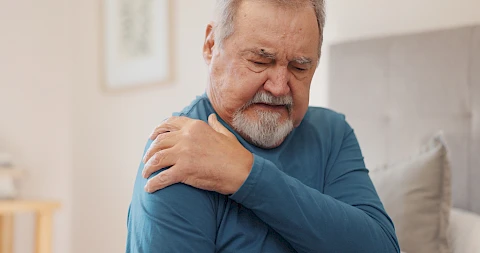
Chronic pain affects many seniors and can influence their mobility, mood, and daily activities. It is more than a simple discomfort; ongoing pain can lead to social withdrawal, sadness, and a decline in physical health if not addressed properly. Caregivers have an important part in helping seniors manage pain and supporting their well-being.
Chronic Pain in Seniors
Chronic pain in seniors can arise from various conditions such as arthritis, osteoporosis, nerve damage, or injuries. This persistent pain can severely affect a senior's quality of life, making simple tasks challenging. Managing chronic pain in seniors is often complicated by age-related factors like slower metabolism and sensitivity to medications.
Non-Pharmacological Approaches
Focusing on whole-person care is beneficial for managing chronic pain. While medication is one tool, non-drug approaches often reduce pain with fewer side effects. Physical therapy and gentle exercise strengthen muscles, enhance flexibility, and ease pain. Activities like walking and swimming can boost movement and mood. Always consult healthcare professionals before starting new exercises.
Relaxation and mindfulness techniques such as deep breathing and meditation also help reduce pain by lowering stress and promoting focus. Nutrition matters as well—diets rich in anti-inflammatory foods can contribute to pain relief and overall health.
Assessing Pain in Seniors
Recognizing pain signs can be challenging when seniors struggle to communicate. Caregivers should look for non-verbal cues such as changes in mood, sleep patterns, or facial expressions that may indicate discomfort. Using pain assessment tools like scales or charts can help in evaluating pain levels accurately.
For seniors with communication difficulties, caregivers might need to rely more on observing behaviors and consulting with healthcare providers to assess pain effectively. Understanding each senior's unique pain indicators is vital for successful management.
When to Seek Medical Help
If pain worsens or limits daily life, professional care becomes necessary. Caregivers should discuss symptoms with medical providers to explore treatment options. Sometimes adjustments in medications or therapies are needed to offer relief.
Understanding available treatments and medications allows caregivers to make informed decisions. Sometimes, a new medication or therapy might be necessary to provide relief.
Providing Comfort Through Thoughtful Care
Managing chronic pain requires teamwork between caregivers and healthcare providers. Combining non-drug strategies, careful assessment, and timely medical help can improve seniors’ daily experiences.
If you need assistance with senior care, contact us at Senior Helpers Central Maryland for professional caregiving services available in Pikesville, Owings Mills, Ellicott City, and surrounding areas.