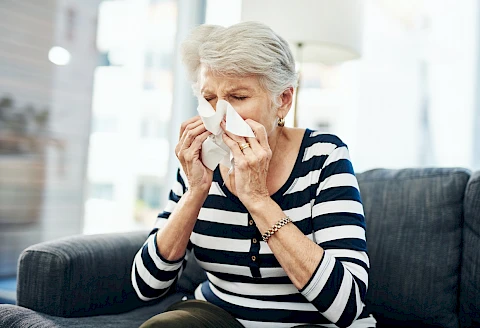
Allergies can be a real concern for seniors, affecting their health and comfort levels. Many assume allergic reactions are mostly a childhood concern, but they are also common in older adults. As we age, managing these allergies becomes a priority, not just for ease but also for maintaining overall health. Caregivers play a role in helping identify triggers, reduce exposure, and support ongoing treatment.
Common Allergy Problems in Older Adults
Allergens include pollen, dust mites, mold, and pet dander. As older adults' immune systems change, they react differently to these allergens. Some might experience more severe allergy symptoms, while others may start experiencing allergies for the first time.
Recognizing these signs matters. Senior loved ones might not always express discomfort, so being observant can help catch allergy symptoms early and prevent complications.
Allergy-Proofing Living Spaces
Creating an allergy-free environment can start by reducing indoor allergens. Do regular cleaning to minimize dust and use air purifiers. Mold can be a hidden irritant, so check for leaks and use dehumidifiers to keep moisture at bay.
Pets are wonderful companions, but their dander can trigger allergies. Regular grooming and creating pet-free zones in the house can help.
Ensure that living spaces are well-ventilated, and consider using high-efficiency particulate air (HEPA) filters to trap allergens. During allergy seasons, like spring or fall, keep windows closed and use air conditioning to prevent pollen from entering the home.
Recognizing Allergy Symptoms in Seniors
The elderly may show different allergic reactions compared to younger individuals. Common signs include sneezing, coughing, itchy eyes, and skin rashes. However, these can sometimes be mistaken for other health issues, such as colds or respiratory infections.
Learn to differentiate between these conditions to provide the right care. If a senior experiences manifestations like difficulty breathing or chest tightness, seek medical advice promptly. Early detection and continuous monitoring can prevent the condition from escalating.
Collaborating with Healthcare Providers
Discuss any symptoms you observe with their doctor, who can recommend suitable therapy options. Some common medications are not safe for the elderly due to potential side effects, so care plans should be tailored to their needs.
Regular check-ups also provide opportunities to address any new symptoms or concerns. Safe allergy remedies include nasal sprays, antihistamines, and eye drops. These are less likely to interfere with other medicines. Always consult with a healthcare provider before starting any new prescription.
Seek In-Home Care for Seniors with Allergies
Dealing with allergic reactions in older adults requires a proactive approach. When caregivers know what triggers allergies, keep the environment safe, and catch symptoms early, they can help senior loved ones feel their best. Collaborating with healthcare providers also ensures the elderly receive the safest and most effective treatments.
If you need extra help, Senior Helpers Milford-Franklin supports you and your loved ones in Milford, Franklin, Stoughton, Foxboro, and Sharon. Our team is committed to providing personalized caregiving support for seniors across our communities. Contact us to learn more.