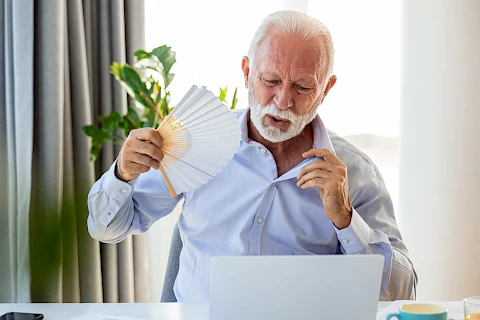
High temperatures can be dangerous even inside the home, something many seniors and caregivers may not immediately consider. Overheating indoors is a real risk, especially for older adults whose bodies may not regulate temperature as efficiently. Without proper ventilation or cooling measures, a seemingly mild day can still pose health concerns. Understanding how to prevent indoor overheating can help keep seniors safe and comfortable throughout the year.
What Causes Seniors to Overheat Indoors?
Several factors contribute to indoor overheating for seniors, including:
- Brownouts. These temporary reductions in electrical power can disrupt the operation of air conditioning and fans, leading to an increase in indoor temperature. This can create an environment where seniors are more susceptible to overheating.
- Wearing inappropriate clothing. Seniors often wear layers to stay warm, but during months with fluctuating temperatures, this can lead to overheating. Excessive clothing traps heat, making it difficult for the body to regulate its temperature effectively.
- Dehydration. Many seniors may not drink enough water, making it harder for their bodies to regulate body temperature effectively.
- Poor ventilation. Poor ventilation in the home and ineffective cooling systems can result in stagnant, warm indoor air. This lack of airflow can make indoor spaces feel much hotter than they are.
Practical Strategies to Prevent Indoor Overheating in Seniors
With an understanding of what causes indoor overheating, here are strategies to ensure our seniors remain cool and comfortable.
Keeping Fans and Air Conditioning On
Good airflow is crucial in preventing indoor overheating in seniors.
- Keep fans and air conditioning units running to maintain a steady circulation of cool air.
- Position fans near windows to draw in cool air and exhaust warm air out. Ensure air filters are clean for optimal efficiency.
Ensuring Adequate Hydration
Staying hydrated is essential for seniors. Watch for signs of dehydration, such as dry mouth, dizziness, or dark urine. Encourage them to drink fluids regularly. If water seems unappealing, try adding a slice of lemon for flavor or offering hydrating foods like fruits.
Choosing Appropriate Clothing
Clothing choice significantly impacts comfort. Opt for loose-fitting, breathable fabrics like cotton, which allow air to circulate and dissipate heat. Light-colored clothing reflects rather than absorbs heat, keeping the wearer cooler.
Enhancing Ventilation and Cooling
Proper ventilation strategies can significantly reduce the risk of indoor overheating in seniors. Utilize ceiling fans, open windows during cooler parts of the day, or use ventilated spaces to promote air circulation. To reduce heat, close shades and blinds during the hottest parts of the day, keeping living areas cooler.
Additional Tips for Caregivers and Family Members
Monitor room temperatures using thermometers and adjust cooling appliances as needed to avoid overheating. Be alert for symptoms like flushed skin, headaches, excessive sweating, or confusion, which can indicate overheating. Early detection can prevent further complications.
Encourage a supportive environment by checking in on seniors frequently, offering assistance with meals, or simply sharing soothing conversation. This can also serve as a reminder to drink fluids and rest in cooler areas.
We Can Help Keep Seniors Safe at Home
Preventing indoor overheating in seniors often comes down to a few practical adjustments. These simple steps help maintain a safe and comfortable environment for seniors, particularly during warmer months when indoor temperatures can rise. Thoughtful planning goes a long way in protecting their health and overall well-being.
For professional support and assistance, contact us at Senior Helpers Fitchburg. We're here to help in Warwick, Fitchburg, Ashburnham, Ashby, and Winchendon. Our in-home care services can help families and caregivers take proactive steps today to ensure the safety and comfort of their senior loved ones.