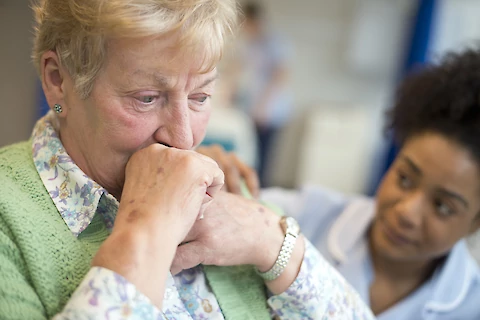
Seasonal Affective Disorder, often abbreviated as SAD, is a type of depression that typically strikes during the shorter, less sunny days of the year. This condition can profoundly impact individuals of all ages, but seniors are particularly susceptible. Understanding SAD and its effects on seniors is vital.
This blog aims to raise awareness about SAD in the older population and emphasize the importance of recognizing the symptoms in oneself or a loved one. We will discuss various practical strategies that can mitigate the effects of SAD and explore how in-home caretakers can play an instrumental role in managing this disorder.
Understanding SAD in Seniors
SAD is more than just a case of the "winter blues." It is a medically-recognized condition that can cause significant changes in mood, energy levels, and general well-being. For seniors, the shift in season can lead to SAD, often intertwined with feelings of loneliness or reminiscence of a past life. These feelings can be exacerbated by shorter days with less sunlight, amplifying feelings of sadness or depression.
Prompt recognition of SAD's symptoms is vital for initiating timely interventions. Seniors may experience feelings of depression, particularly during the fall or winter, loss of interest in activities once enjoyed, low energy, problems with sleeping, changes in appetite or weight, feeling sluggish or agitated, difficulty concentrating, feeling worthless or guilty, and, in severe cases, frequent thoughts of death or suicide.
Recognizing these signs is not only important for the individuals suffering but also for those around them. Family members, friends, and caregivers play a crucial role in monitoring changes in mood and behavior and ensuring the affected individuals receive the necessary help and support.
Practical Strategies for Managing SAD
While SAD can be challenging to deal with, several practical strategies can help manage its symptoms. One beneficial approach is light therapy. This involves using a special lamp with a very bright light that mimics natural outdoor light. Daily exposure to this light can significantly help in alleviating SAD symptoms.
Maintaining a regular schedule can also help manage SAD. Regular waking, eating, and sleeping patterns can regulate the internal body clock and mitigate mood changes. Lastly, staying active can also be beneficial, as physical exercise is known for its mood-boosting properties. Regular walks, even on cloudy days, can help expose an individual to natural light and promote feelings of well-being. Seniors should always consult their doctor before starting a new fitness routine.
Role of In-Home Caretakers in Managing SAD
In-home caretakers play a vital role in managing SAD in seniors. Professional caregivers from Senior Helpers Bluegrass are trained to identify the symptoms of SAD in their clients and take necessary measures to help manage them.
In addition to providing companionship that can alleviate feelings of loneliness, these caregivers can assist in implementing the strategies mentioned above. They can set up light therapy sessions, help maintain regular schedules, and encourage physical activity.
Discover Personalized Senior Care Services
SAD is a serious condition that can significantly affect seniors, particularly during the shorter, less sunny days of the year. Professional in-home caregivers, like those from Senior Helpers Bluegrass, can provide invaluable support in managing SAD. If you or a loved one are struggling with SAD and reside in Frankfort, Versailles, Midway, Georgetown, and Lawrenceburg, contact us at Senior Helpers Bluegrass and discover our senior care services.