Parkinson’s disease is a neurological condition that primarily affects older adults, often impacting movement, balance, and coordination. Kansas has one of the highest rates of Parkinson’s diagnoses in the country, making awareness of its effects on bone health especially relevant. Understanding the link between PD and increased fracture risk helps caregivers take steps to support stronger bones in seniors.
Factors Contributing to Bone Weakness in Parkinson’s
Parkinson’s disease raises fracture risk by affecting mobility, often leading to lower activity levels that weaken bones over time. Changes in nutrient absorption may also reduce the availability of calcium and vitamin D, further impacting bone strength. Understanding these factors helps caregivers take practical steps to support bone health in seniors with PD.
Nutrition for Strong Bones
Bone health in Parkinson’s disease relies on calcium, vitamin D, and protein to help reduce bone loss and fracture risk. These nutrients are found in dairy, leafy greens, fortified foods, fatty fish, egg yolks, and nuts, and they support both bone structure and muscle strength. Hydration, balanced meals, and supplements when needed can further support nutrient intake under a healthcare provider’s guidance.
How Weight-Bearing Exercise Helps
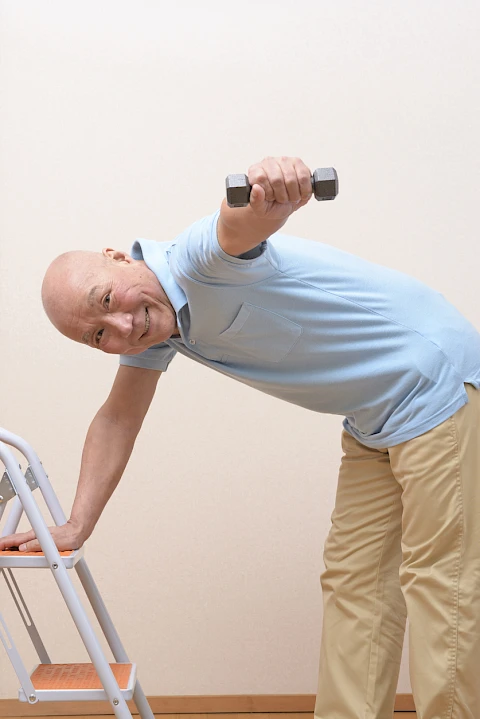
Weight-bearing exercise supports bone strength and mobility in seniors with Parkinson’s disease. Activities such as walking, dancing, and low-impact aerobics can improve bone health and overall function when matched to current ability and progressed gradually. A physical therapist can help design a safe plan, and any new activity should be discussed with a physician before beginning.
Fall Prevention Strategies
Parkinson’s disease affects balance, posture, and coordination, increasing the risk of falls, particularly when bone density is reduced. Muscle stiffness and slower movement can make daily activities less steady, especially in cluttered or poorly lit areas. Removing trip hazards, improving lighting, adding grab bars, using non-slip mats, wearing sturdy footwear, keeping pathways clear, and using mobility aids like walkers or canes can improve safety and stability.
Importance of Bone Density Screening
Bone density screening helps evaluate bone strength and detect early signs of osteoporosis in seniors with Parkinson’s disease. These tests measure bone thickness and help guide care decisions when fracture risk is higher. Results reviewed with a healthcare provider can inform nutrition, activity, and medical plans to help reduce fracture risk.
Practical Tips for Caregivers
Caregivers can help manage bone health for seniors with PD. Encourage daily habits, like maintaining a nutritious diet and following an exercise routine, to improve bone strength.
Show support by reminding seniors about their medications and supplements, and accompany them to medical appointments to discuss bone health concerns. Caregivers can also explore local resources, such as support groups or classes, for additional help and information.
Supporting Bone Health in Parkinson’s Care
Multiple factors, including changes in mobility, reduced activity levels, nutritional absorption, and increased fall risk, shape bone health in seniors with Parkinson’s disease. Attention to calcium and vitamin D intake, protein-rich meals, safe weight-bearing activity when appropriate, home modifications that reduce fall hazards, and routine bone density screening all work together to lower fracture risk.
Alongside these clinical and routine care considerations, day-to-day in-home assistance can reinforce safer movement patterns, steadier routines, and reduced exposure to fall risks. Senior Helpers Lawrence, KS provides personalized in-home care services across Lawrence, Kansas City (Kansas), Leavenworth, Bonner Springs, and Eudora that help seniors with Parkinson’s disease manage daily routines, mobility challenges, meal preparation, and safe movement at home, supporting better conditions for bone health. Caregivers seeking additional guidance or in-home assistance can reach out to explore care options that fit individual needs and daily routines.