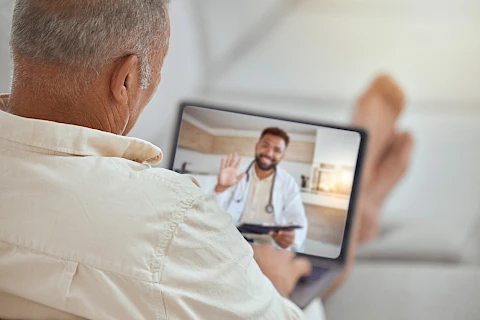
Home care is undergoing a meaningful transformation as new technologies, updated care models, and evolving philosophies reshape support for aging adults. Families increasingly choose care that allows loved ones to remain in familiar surroundings, prompting innovations that strengthen safety, promote independence, and ease the workload placed on caregivers. Emerging tools and person-centered approaches now offer more adaptable, supportive options for seniors who wish to age in place.
Home Care Technology Advances
Telehealth services enable seniors to access primary care, specialists, and mental health support from the comfort of their own homes. At the same time, caregivers can participate in care through digital check-ins and symptom tracking. Remote monitoring systems track movement patterns, detect changes in daily routines, and alert caregivers to potential concerns, such as missed medications or falls, thereby providing valuable insights. They often integrate with door sensors, bed-exit alerts, and smart appliances. Wearable devices offer additional insights by monitoring heart rate, sleep patterns, activity levels, and other key health indicators, enabling caregivers to identify emerging needs. Automated medication dispensers, GPS devices, and user-friendly tablets further enhance home care, supporting communication, safety, and personalized care for each senior.
New Care Models
Home care is shifting toward personalized, patient-centered models that focus on the unique needs and preferences of each senior. Integrated care teams, comprising doctors, nurses, and other specialists, collaborate to provide comprehensive support. Community-based care initiatives are on the rise, utilizing local resources to enhance engagement and overall well-being. These programs offer companionship and encourage participation in activities that support overall wellness.
Evolving Approaches to Senior Care
Modern senior care emphasizes a holistic approach that supports the physical, emotional, social, and cognitive well-being of individuals, recognizing how these areas intersect and influence one another. Caregivers increasingly incorporate strategies for nutrition, sleep, social engagement, and meaningful daily routines, while also monitoring mental and emotional health through counseling, support groups, or behavioral check-ins. Person-centered care tailors routines, communication, and environments to each senior’s preferences, history, and abilities, fostering a sense of respect and comfort. Programs that promote social connection, proactive wellness check-ins, and coordination with home-based clinical providers help reduce isolation and support overall well-being.
Supporting and Enhancing Caregiving Efforts
Introducing new technology and care models can significantly reduce caregiver stress. By automating routine tasks and enhancing communication, caregivers have more time and energy to devote to their loved ones. Furthermore, they can offer support that caregivers may not be able to provide on their own, allowing seniors to receive a higher quality of care without putting additional strain on household resources.
Provide More Support at Home for Seniors
Emerging trends and innovations in home care present exciting opportunities to enrich the lives of seniors. From technology to new care models, these advancements can make caregiving more effective and less stressful. Embracing these changes will ensure that seniors receive the best possible care in the comfort of their homes.
At Senior Helpers Lawrence, KS, we are ready to support you with personalized home care solutions tailored to the specific needs of your loved ones, including helping your family use technology to improve overall caregiving efforts. Reach out to us today for compassionate and professional care in Lawrence, Kansas City, Leavenworth, Bonner Springs, and Eudora.