Seasonal allergies can be a troublesome issue for many, and older individuals are no exception. As we age, our immune system changes, and managing allergies becomes essential for ensuring health and comfort.
Seasonal allergies in seniors can disrupt daily life, making it significant for caregivers to recognize symptoms and know how to manage them effectively.
Seasonal Allergies in Seniors
While allergies can affect people at any age, loved ones may experience them differently. Common symptoms include sneezing, a runny nose, itchy eyes, and congestion. Although these signs are common across age groups, older adults might face additional challenges. These can include difficulty breathing or potential interactions with other medications they are taking.
Caregivers need to recognize these symptoms early on, as they can severely impact a senior's quality of life by causing fatigue, irritability, and even complications with existing health conditions.
Strategies for Caregivers
For caregivers, managing allergies starts with identifying triggers. Understanding what causes a senior's allergies can lead to more effective management strategies. These triggers could be pollen, dust mites, mold, or pet dander. Keeping a symptom diary can help identify patterns and triggers more effectively, allowing for more tailored approaches to minimize their impact.
Reducing Allergen Exposure
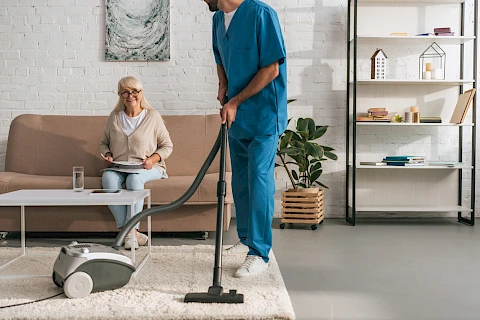
A clean living environment can make a big difference in managing allergies. Regular cleaning can reduce allergens significantly. Simple steps include:
- Frequent vacuuming with a HEPA filter vacuum.
- Washing bedding in hot water weekly.
- Keeping windows closed during high pollen seasons.
Maintaining good air quality is essential. Air filtration systems, especially those with HEPA filters, can help minimize airborne allergens. Encouraging spaces with good ventilation can further aid in reducing allergens indoors.
Symptom Relief Options
When it comes to relieving symptoms, there are several options to consider. Over-the-counter drugs like antihistamines can be effective. Always check with a healthcare provider to ensure they are safe. Older adults may have other health conditions or be taking additional medications. Prescription medicines might also be an option, providing more targeted relief.
Natural remedies and lifestyle adjustments can also support symptom management. These can include drinking plenty of fluids to stay hydrated, eating a diet rich in anti-inflammatory foods, and using saline nasal sprays to keep nasal passages clear.
Special Considerations in Care Settings
In care settings, it’s necessary to adapt routines to minimize seasonal allergies in seniors. Caregivers must be trained to recognize allergy symptoms and act quickly to relieve them. Making sure all staff know the allergy management protocols helps create a safer, more supportive environment for those with allergies.
Senior Helpers North Central Indiana Supports Seniors With Seasonal Allergies
Managing seasonal allergies in seniors requires awareness, understanding, and proactive care. When they identify triggers, reduce exposure, and explore various symptom relief options, caregivers can maintain a comfortable and healthy living environment for older adults. A thoughtful approach to allergy management can significantly improve the quality of life for older adults, making their days brighter and more enjoyable.
If you or a loved one is struggling with daily activities, consider reaching out to Senior Helpers North Central Indiana. We provide personalized senior care solutions across Grant, Huntington, Kosciusko, Marshall, and Whitley counties and are committed to ensuring the best care for you and your loved ones.