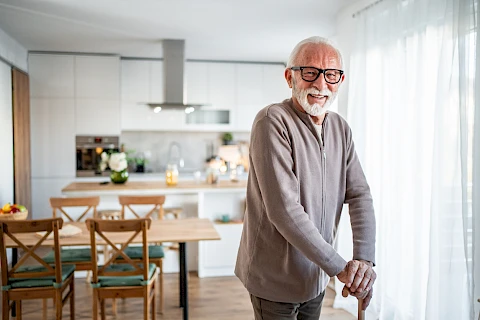
Creating an age-friendly home helps seniors stay safe and comfortable. Aging can bring challenges, including reduced mobility, balance issues, or limited reach. As caregivers or family members, you can adapt the home to match these changing needs. Thoughtful modifications improve comfort, reduce risks, and create a home environment that supports seniors’ well-being.
Essential Parts of Accessibility
Accessibility means making a home safe, easy to navigate, and free of barriers. An accessible environment protects seniors from accidents and simplifies daily activities. It also benefits caregivers by reducing physical strain and making routines smoother.
Many homes face challenges like narrow doorways, slippery floors, and hard-to-reach storage. Identifying and addressing these areas is the first step toward a supportive living space.
Room-by-Room Modifications
As you prepare a more accessible, senior-friendly home for your loved one, take a look at each room in turn to ensure that you have thought through essential modifications.
Living Room
The living room is a central space where seniors often spend much of their time. Arrange furniture to allow clear walking paths and enough space for mobility aids like walkers or wheelchairs. Keep the area free of clutter, use non-slip rugs, and ensure lighting is bright with easily reachable switches.
Kitchen
In the kitchen, safety and usability go hand in hand. Store frequently used items within easy reach and choose appliances with simple controls and clear displays. Pull-out shelves and lazy Susans can make accessing dishes or ingredients easier. Keep floors dry and consider non-slip mats to prevent accidents.
Bathroom
Bathrooms are high-risk areas, so install grab bars near toilets, showers, and tubs for extra support. Non-slip flooring prevents falls, and walk-in showers or tubs provide safer alternatives. Make sure lighting is sufficient and keep everyday items within reach to reduce bending or stretching.
Bedroom
In the bedroom, focus on comfort and accessibility. Adjust the bed height so that it's easy to get in and out of. Use nightlights to illuminate pathways during the night, reducing the risk of falls. Keep the bedroom free of clutter to allow for easy movement. Ensure that essential items, such as phones or glasses, are easily accessible from the bed.
Hallways and Entryways
Hallways and entryways should be wide and clear. Consider widening doorways to accommodate wheelchairs or walkers. Install ramps to replace steps, making it easier for seniors to enter or exit the home. Keep these areas free from obstacles and ensure they are well-lit to prevent trips and falls.
Supporting Caregiving Efforts
Home modifications not only benefit seniors but also support caregiving efforts. A safer home means less stress and worry for caregivers. It reduces the physical strain of assisting loved ones and allows caregivers to focus on providing companionship and emotional support. Technology can further enhance caregiving by ensuring safety and communication. Devices like medical alert systems or smart home technology can help monitor seniors' health and well-being.
Strengthen Safety With In-Home Care
Adapting a home for seniors improves comfort, accessibility, and safety. Small changes make a meaningful difference for both seniors and those who care for them.
In-home senior care services can be an essential part of creating a safer, more senior-friendly environment. If your senior loved one needs help at home, caregivers can provide assistance with daily care tasks or offer help with medication management, Alzheimer's and dementia care, and more.
For personalized assistance in Indianapolis, Carmel, and Brownsburg, contact Senior Helpers Indianapolis to learn more about our in-home care options.