
How to Know It's Time for Home Care (Before a Crisis Happens)
Nobody wants to have "the conversation" about home care. I get it, acknowledging that Mom or Dad might need help feels like admitting they're losing their independence. But here's the thing: waiting for a crisis to make that decision for you is way harder on everyone involved.
The families we work with at Senior Helpers of Bolingbrook often tell us they wish they'd reached out sooner. Not after the fall. Not after the hospital stay. But when they first noticed those little changes that made them think, "Hmm, something's different."
So, let's talk about those signs: the ones that whisper before they shout: and how recognizing them early can actually preserve independence rather than take it away.
The Subtle Signs You Might Be Missing
Your parents have been fiercely independent their whole lives, so they're pretty good at hiding struggles. But there are telltale signs that things are getting tough, even if they're not ready to admit it yet.
Around the House
Take a walk through your parent’s home with fresh eyes. What do you notice?
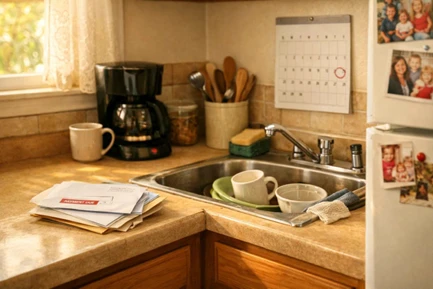
- Piles of unopened mail sitting on the kitchen counter (especially bills)
- Spoiled food in the fridge or expired items in the pantry
- Dirty dishes stacking up in the sink longer than usual
- Laundry piling up or clothes that haven't been washed in a while
- A yard that looks neglected when they used to take pride in their lawn
These aren't signs of laziness: they're signs of overwhelm. When daily tasks start feeling like mountains instead of molehills, it's time to bring in support.
Physical Changes You Can't Ignore
Physical decline can sneak up gradually, making it easy to miss until something big happens. Watch for:
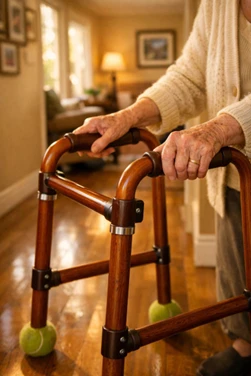
- Trouble getting up from chairs or needing furniture support while walking
- Moving more slowly through the house or avoiding stairs altogether
- Bruises that seem to appear out of nowhere (even "minor" falls count)
- Weight loss because meal prep feels too complicated
- Changes in personal hygiene that are out of character
If your loved one is using a walker, wheelchair, or crutches: or needs someone's arm to leave the house safely: that's a clear signal that professional support could make daily life easier and safer.
Memory and Cognitive Shifts
This one's tricky because we all forget things occasionally. But there's a difference between "Where did I put my keys?" and patterns that affect daily life:
- Forgetting recent conversations or asking the same questions repeatedly
- Missing appointments they used to keep religiously
- Confusion about dates, seasons, or time of day
- Medication mistakes like skipping doses or taking the wrong pills
- Getting lost in familiar places around Bolingbrook or nearby neighborhoods
At Senior Helpers, we specialize in dementia and Alzheimer's support because we know how scary these changes can be for families. Our LIFE Profile assessment helps us understand exactly where your loved one is cognitively and emotionally, so we can create a care plan that meets them where they are: not where we think they should be.
The Emotional Toll Nobody Talks About
Here's what I want you to know: it's not just about your parent's physical safety. It's about your peace of mind too.
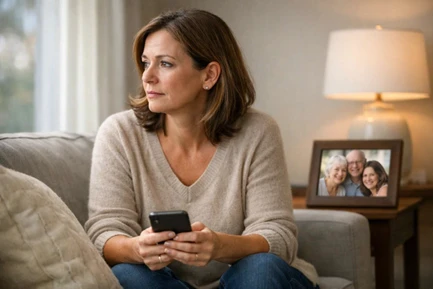
Adult children carrying the weight of long-distance worry, constant phone check-ins, and the nagging fear that something bad is going to happen it's exhausting. And it's completely normal to feel guilty about not being there enough, even when you're doing everything you possibly can.
That emotional burden is real, and it matters. One of the things families tell us they appreciate most about Senior Helpers isn't just the hands-on care we provide their loved ones: it's the relief of knowing someone reliable is there. Someone who knows their parent's routines, their preferences, and their quirks.
When Social Withdrawal Becomes a Red Flag
We're naturally social creatures, and when seniors start pulling away from activities they once loved, it's worth paying attention:
- Skipping church services or community groups they attended for years
- Not answering phone calls from friends
- Losing interest in hobbies like gardening, card games, or crafts
- Increased irritability, anxiety, or mood swings
- Sleeping way more than usual or struggling with insomnia
Sometimes this withdrawal happens because they're embarrassed about needing help. Other times, it's a sign of depression or early cognitive decline. Either way, the companionship and structure that home care provides can be genuinely life changing.
Why "Before a Crisis" Matters So Much
I've seen it happen too many times: a family waits until after Mom breaks her hip, or Dad has a scary incident with the stove, or someone ends up in the hospital for the third time this year. Then everyone’s scrambling to figure out care options while emotions are running high and decisions need to be made right now.
Starting home care proactively means:
- You have time to find the right fit. Our caregiver matching process isn't just about qualifications: it's about personality, shared interests, and building genuine connections.
- Your loved one adjusts gradually. Instead of suddenly having a stranger in their home during a vulnerable time, they can ease into the relationship.
- You prevent emergencies rather than react to them. Consistent monitoring of medications, nutrition, and safety catches small issues before they become big problems.
- Everyone feels less stressed. Including you.
What Makes Senior Helpers Different
Look, I know you could call any number of home care agencies in the Bolingbrook and Southwest Suburbs area. But here's why families keep choosing us:
We're local and family-owned, which means when you call, you're talking to people who actually know the community: the best doctors, the local senior centers, the quirks of navigating healthcare in the Southwest Suburbs. But we also maintain national standards because we're part of the larger Senior Helpers network. Best of both worlds.
Our care plans are truly customized. Not "pick from these three packages" customized: actually tailored to your family. Through our LIFE Profile assessment, we get to know your loved one's physical needs, cognitive abilities, emotional preferences, and life story. Because someone who taught school for 40 years might respond differently to care than someone who worked construction. Those details matter.
We're certified in Age Friendly Care (CHAP), which means we meet rigorous standards for quality and safety. But more importantly, it means we're trained specifically in what older adults need to thrive: not just survive.
What Happens Next?
If any of this sounds familiar, take a breath. Recognizing these signs doesn't mean everything's falling apart: it means you're being proactive and thoughtful about the people you love.
The next step is usually the hardest: having an honest conversation with your parent about bringing in some help. Frame it as gaining support rather than losing independence. Most seniors don't want to burden their adult children, so sometimes hearing "This would really help me worry less" lands better than "You need help."
And then? Give us a call. We'll come to your home in Bolingbrook or anywhere in the Southwest Sub-urbs for a free consultation. No pressure, no sales pitch: just an honest conversation about what your family needs and whether we're the right fit.
Because home care isn't about giving up independence. It's about getting the support you need to keep living the life you want, in the place you love, surrounded by the things and people that matter most.
And ideally? That conversation happens before something scary forces your hand.
Senior Helpers of Bolingbrook and Southwest Suburbs of Chicago provides personalized in-home care services including specialized dementia and Alzheimer's support, companionship, personal care, and more. We serve families throughout Bolingbrook, Naperville, Plainfield, Romeoville, and surrounding communities. Contact us today to learn more about how we can support your family.