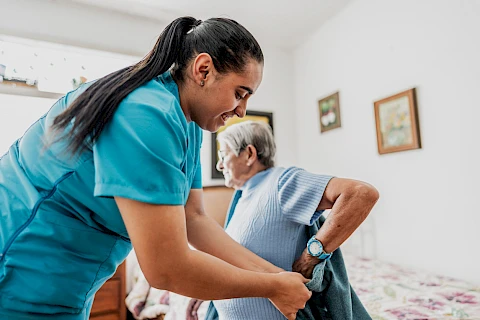
Transitional care is a crucial service that bridges the gap between a hospital stay and an individual’s return to their daily life. Seniors and their families may need help during the recovery period, especially when managing new routines, medications, or physical limitations. This added support can make the transition home safer, less stressful, and more comfortable.
Reduced Readmission Risks
After a hospital stay, there's always a risk of being readmitted, which can be stressful and overwhelming for seniors and their families. Readmissions can occur due to improper care transitions, lack of follow-up, or failure to manage new health regimens. Transitional care is vital in minimizing these risks by ensuring that seniors receive appropriate follow-up and support.
Consider the story of Mr. Johnson, an 82-year-old from Chicago, who had a bout of pneumonia. With the help of transitional care, he had regular health check-ins, received education on managing his condition, and had his home assessed for safety. This comprehensive approach prevented his readmission and helped him regain his strength more effectively.
Personalized Recovery Plans
No two seniors are the same, which is why personalized recovery plans matter in transitional care. Each plan is tailored to the individual’s unique needs, ensuring they receive the most effective care. Personalized recovery plans often include scheduled home visits from healthcare professionals, tailored exercise programs, and nutritional advice.
Take Mrs. Lee, a 76-year-old from the North Side of Chicago, who had hip replacement surgery. Her personalized plan included in-home physical therapy sessions, dietary adjustments, and regular monitoring of her progress. With this tailored approach, Mrs. Lee felt supported every step of the way, leading to a swift and successful recovery.
Medication Management
After being discharged from the hospital, seniors may have a new set of prescriptions or changes to their existing medication routine, which can be confusing and overwhelming. Medication mismanagement can lead to adverse effects and even hospital readmissions.
Transitional care ensures that medications are managed properly, reducing the risk of errors. Mr. Carter, a 79-year-old senior with heart issues, struggled with managing his new medication routine. With the help of transitional care, he had regular consultations with a healthcare professional who helped him organize his medication schedule. This support led to improved health outcomes and greater confidence in managing his health independently.
Family Peace of Mind
The recovery period can be a stressful time for families as they worry about their loved one's health and well-being. Beyond supporting the patent, transitional care also provides families with peace of mind. Knowing that their loved one is receiving professional care and attention can significantly reduce stress and anxiety.
Consider the experience of the Garcia family, whose 81-year-old mother, Mrs. Garcia, was recovering from surgery. The family was initially overwhelmed with the thought of managing her care, but through transitional care services, they received updates and reassurance that Mrs. Garcia was on the right track. This comprehensive support allowed the family to focus on spending quality time with their loved one instead of worrying about her recovery.
Senior Helpers North Side Chicago Can Help with Transition Care
Transitional care offers numerous benefits that can significantly enhance a senior’s recovery experience and ease the burden on their families. If you’re considering additional help at home for a recently hospitalized senior loved one, Senior Helpers North Side Chicago is here for you. Our personalized senior home care services include Return Home transitional care---, ensuring seniors are well-supported in their recovery journey. Contact us to learn more about our senior services in Chicago!